The injuries that end seasons rarely come out of nowhere. They tend to build.
A soccer player develops tightness in the hip flexor that quietly alters the way they load their knee. A basketball player’s weak glutes force their hamstrings to compensate during deceleration, week after week, until something gives. A young pitcher fires through a shoulder that lacks the rotational stability to handle a full spring workload. In each of these cases, the warning signs were present long before the injury happened. They simply were not identified.
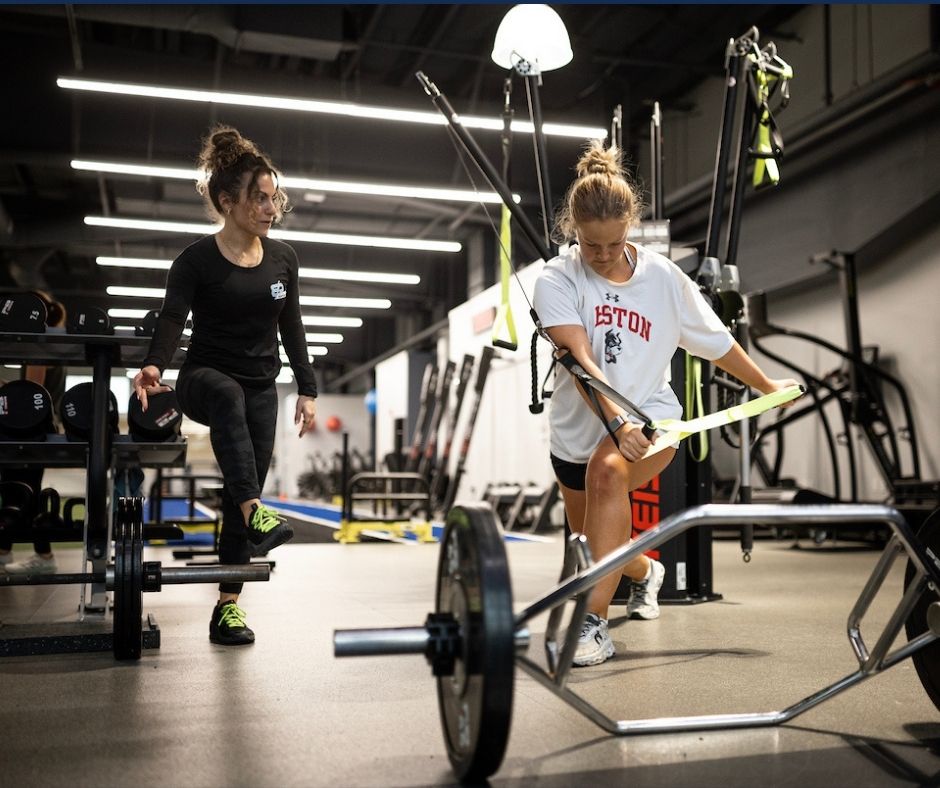
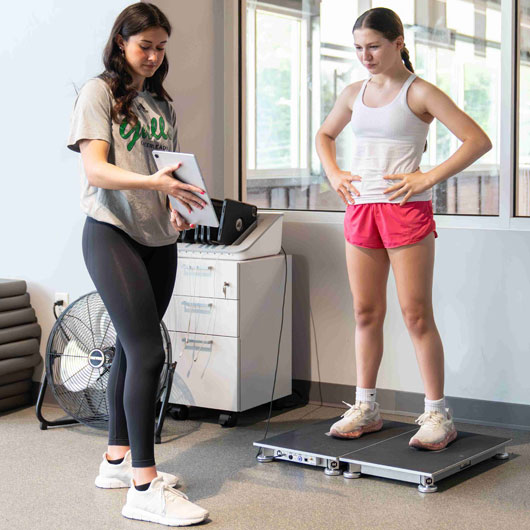
This is what a movement assessment is designed to catch. By systematically evaluating how an athlete moves, from their joint mobility, strength symmetry and stability patterns, to landing mechanics and movement quality under load. A trained provider can map the gap between where an athlete’s body currently is and what their sport is going to demand of it. That gap is where most non-contact injuries live.
The goal of a movement assessment is not to find problems. It is to find them early enough to do something about them, before a training session in March becomes a diagnosis in April.
What Is a Movement Assessment?
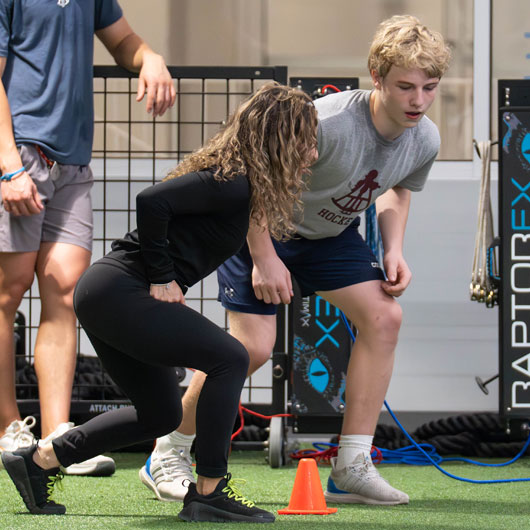
A movement assessment is a structured evaluation used to analyze how your body moves.
Depending on the provider, assessments may look at:
- Joint mobility
- Flexibility
- Balance
- Stability
- Strength asymmetries
- Running mechanics
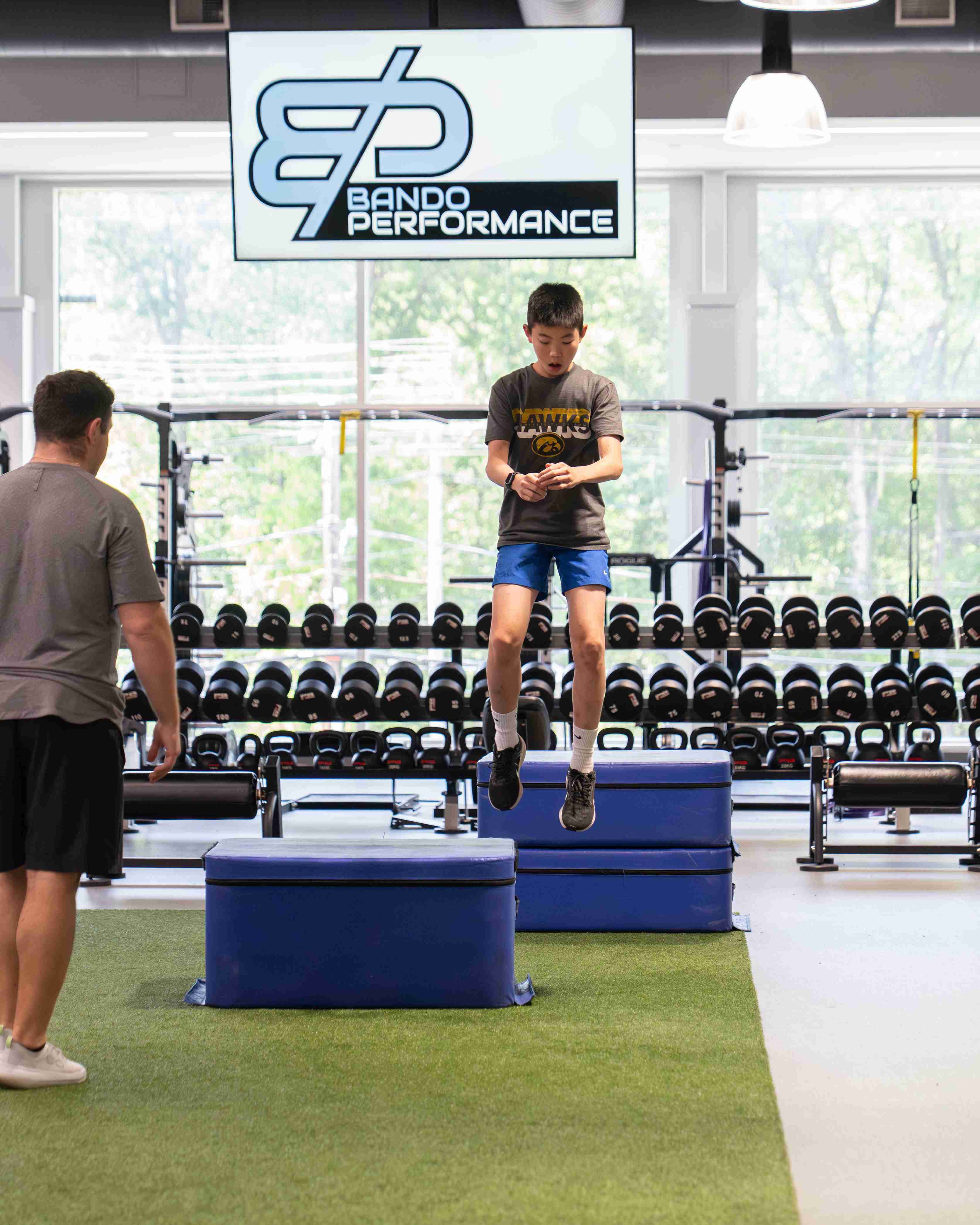
- Jumping and landing mechanics
- Coordination patterns
The goal is not to “pass” or “fail.”
The goal is to identify areas that may be limiting performance or increasing injury risk.
For athletes, this often creates a roadmap for smarter training.
Why Athletes Get Injured in the First Place
Not every injury is preventable.
Sports involve unpredictable movement, contact, and accidents.
But many non-contact injuries develop because athletes repeatedly move under stress with underlying limitations.
Common examples include:
- Weak glutes contributing to knee pain
- Poor ankle mobility affecting sprint mechanics
- Limited shoulder mobility impacting throwing athletes
- Poor landing mechanics increasing ACL injury risk
- Core instability contributing to lower back pain
Without identifying these issues, athletes may continue reinforcing poor patterns.
What Movement Assessments Can Identify
Movement screenings often uncover issues athletes do not realize they have.
These can include:
- Left-to-right strength imbalances
- Poor flexibility
- Joint restrictions
- Balance deficits
- Postural compensations
- Weakness during sport-specific movements
Many athletes feel healthy until they are asked to perform certain movements under observation.
That information can be incredibly valuable before intense seasons begin.
How Screenings Help Prevent Future Injuries
Once weaknesses are identified, athletes can train proactively.
That may include:
- Mobility work
- Strength training
- Balance training
- Landing mechanics work
- Running form corrections
- Recovery strategies
These interventions can reduce stress placed on vulnerable areas.
Instead of constantly reacting to pain, athletes can build more durable movement patterns.
At Bando, movement assessments help create individualized plans that connect physical therapy, recovery, and performance training under one roof.
Who Should Get a Movement Assessment?
Movement assessments can help:
- Youth athletes entering competitive sports
- High school athletes preparing for college athletics
- Athletes returning from injury
- Adults experiencing recurring pain
- Teams looking to reduce injury risk
Even healthy athletes can benefit from learning how they move.
What Happens After the Assessment?
The assessment itself is only step one.
The real value comes from applying what you learn.
That may include:
- Personalized strength programs
- Physical therapy recommendations
- Mobility plans
- Return-to-play progressions
- Recovery adjustments
Without action, an assessment is just information.
With the right plan, it can become a major advantage.
FAQs
Are movement assessments only for injured athletes?
No. Healthy athletes often benefit from identifying weaknesses before injuries happen.
How often should athletes get assessed?
Many athletes benefit from assessments before seasons, after injuries, or during training transitions.
Can movement assessments improve performance?
Yes. Better movement quality often improves strength, speed, and efficiency.
Are movement screenings the same as physical therapy?
Not always, but they often overlap depending on the provider and goals.
Final Thoughts
Athletes spend a lot of time training harder.
Fewer spend time making sure their bodies are prepared to handle that training.
Movement assessments help close that gap by identifying issues early and creating smarter development plans.
If you want to stay healthy, improve movement quality, and reduce injury risk, Bando’s assessment-driven approach can help you train with more confidence.