Most athletes think of physical therapy as something that happens after an injury. You get hurt, you go to PT, you get better, you go back to your sport. That sequence is so ingrained that for a lot of athletes, walking into a physical therapy clinic when they are not hurt feels almost wrong.
That framing is outdated, and it is costing athletes in their performance and development.
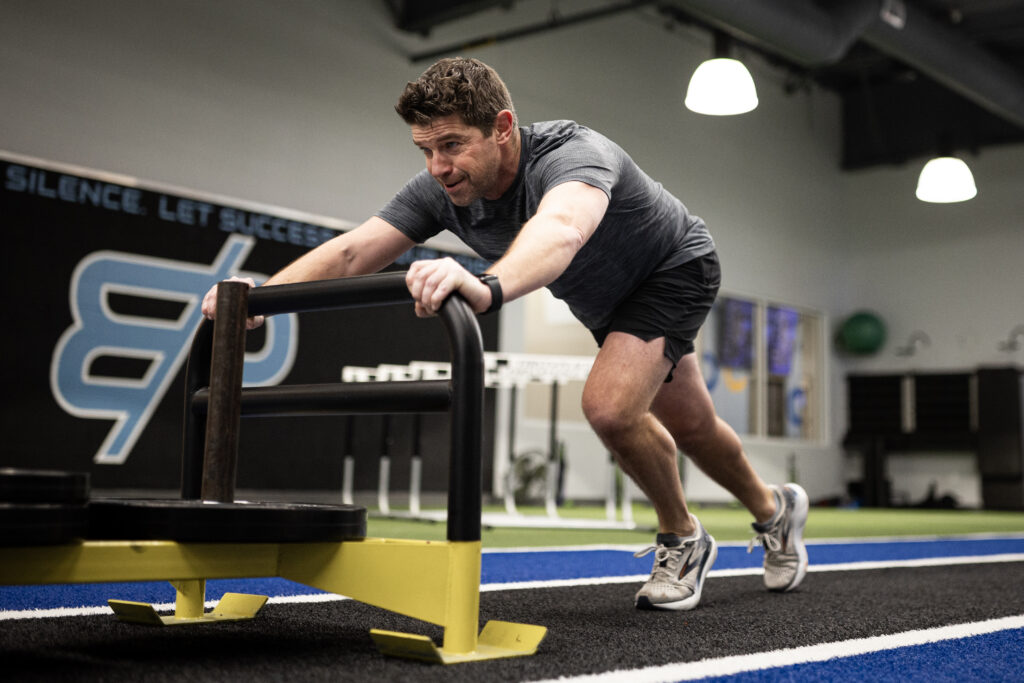
The physical qualities that physical therapy develops—movement efficiency, joint stability, neuromuscular control, mobility, and structural resilience—are performance qualities, not just recovery qualities. A soccer player with limited hip mobility is not just an injury risk; they are a less powerful striker. A baseball pitcher with poor scapular stability is not just vulnerable to shoulder breakdown; they are leaving velocity on the table. The relationship between how well an athlete moves and how well an athlete performs is direct, and physical therapy addresses it as precisely as any tool in sports performance.
The best athletic programs at the professional level figured this out decades ago. Physical therapists are embedded in daily training, not called in when something goes wrong. That model is increasingly available to athletes at every level, and the athletes who take advantage of it tend to stay healthier, train more consistently, and perform at a higher ceiling than those who treat PT as an emergency response.
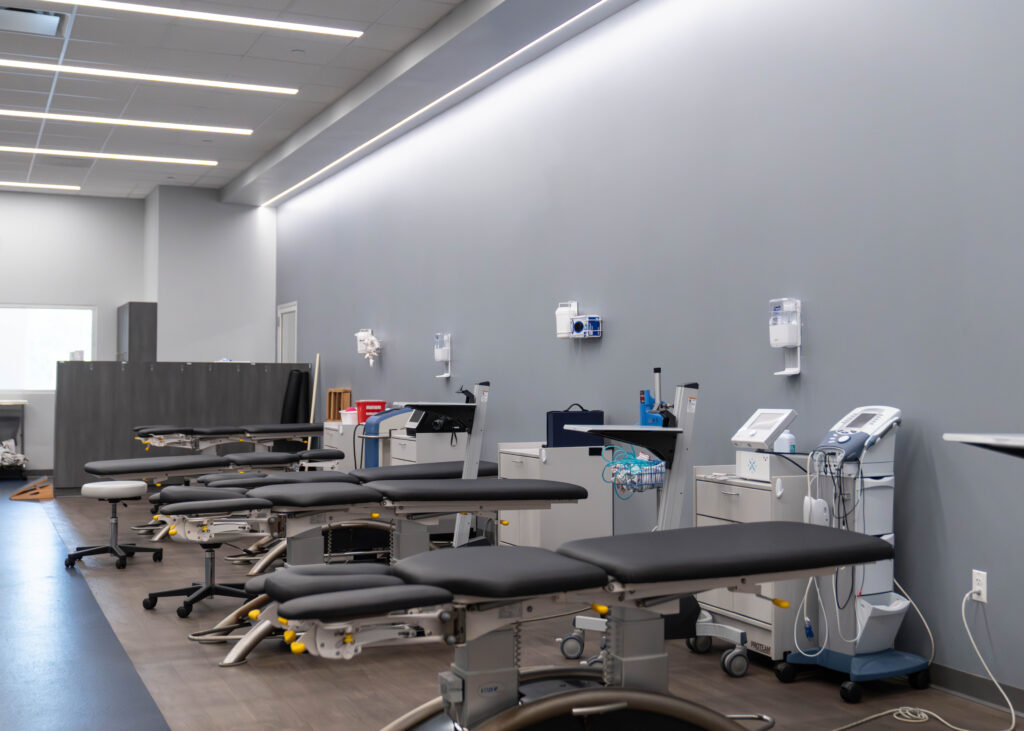
Why Physical Therapy Is About More Than Injury Rehab
Traditional physical therapy is often viewed as reactive.
Pain shows up → treatment begins.
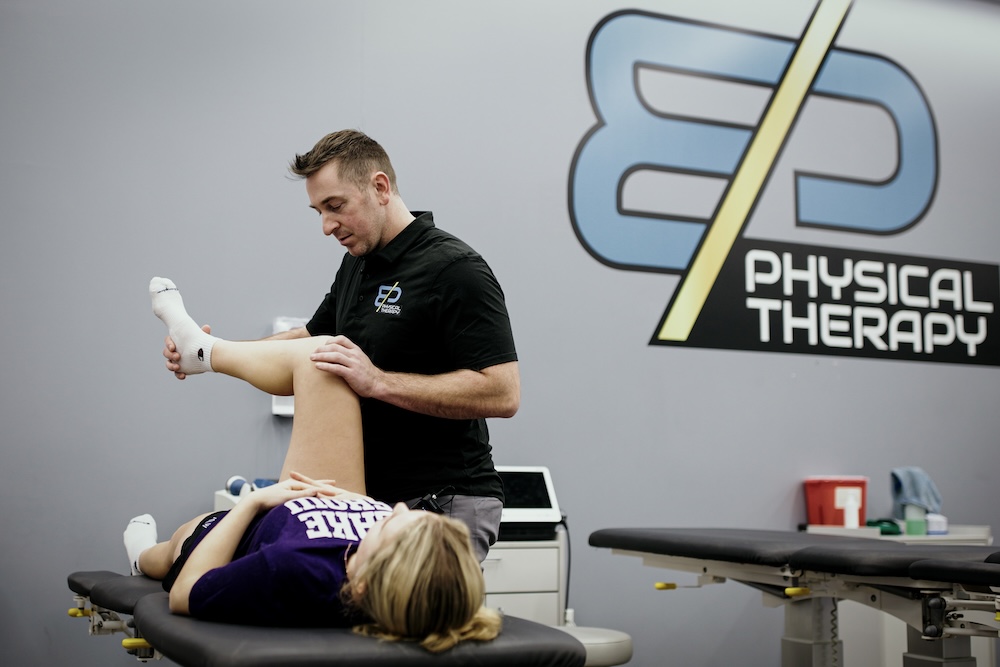
But sports-focused physical therapy often takes a more proactive approach by evaluating movement patterns before pain becomes a larger issue.
This can help identify:
- Mobility restrictions
- Muscle imbalances
- Poor landing mechanics
- Stability limitations
- Compensation patterns
- Overuse risks
Fixing these issues early can improve movement efficiency while reducing wear and tear.
How Physical Therapy Improves Movement Quality
Athletic performance is built on movement. If an athlete cannot move well, their performance ceiling is typically diminished.
Physical therapists help improve:
- Running mechanics
- Jumping and landing patterns
- Rotational movement
- Balance
- Range of motion
- Joint control
Utilizing physical therapy specifically to better movement patterns often translates directly to enhanced output.
Baseball players can improve shoulder mobility to improve their efficiency in throwing the ball; soccer players can increase hip mobility to further develop their striking power; and basketball players with rigid landing mechanics can enhance those patterns to avoid injury risks.
Pairing PT with your typical training regimen can be the key to unlocking your full athletic potential.
Physical Therapy for Athletes Helps Identify Weaknesses Before They Become Injuries
Many athletes train around weaknesses without realizing it.
They may continue competing while dealing with:
- Tight hamstrings
- Weak glutes
- Limited ankle mobility
- Core instability
- Shoulder discomfort
Over time, these issues can become performance limitations or injuries. Movement assessments help catch these problems early.
At Bando, this type of evaluation helps athletes understand what is holding them back before bigger problems develop.
How PT Improves Strength, Stability, and Mobility
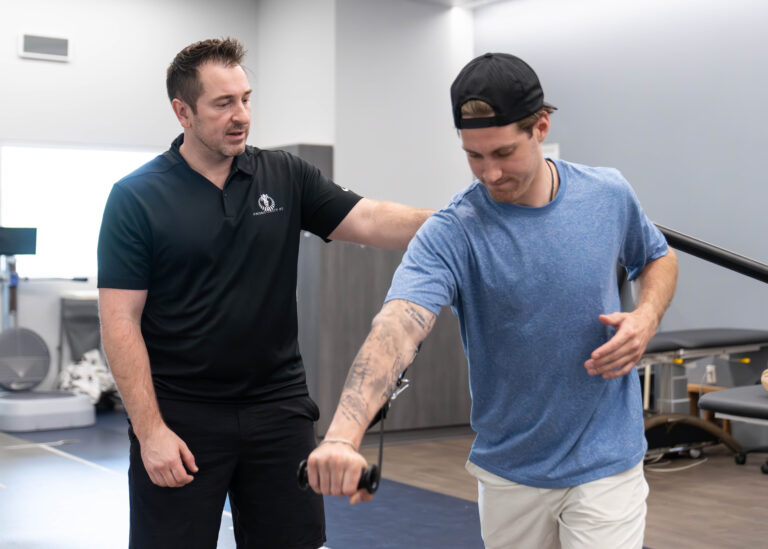
Physical therapists often prescribe exercises that overlap with performance training.
These may include:
- Single-leg strength work
- Core stability exercises
- Mobility drills
- Balance training
- Deceleration mechanics
- Rotational strength development
This creates a bridge between rehab and athletic development.
In many cases, athletes who begin physical therapy as rehab leave stronger than they were before their injury. Athletes who use physical therapy proactively get stronger than they would have become without addressing weaknesses in their athletic profile.
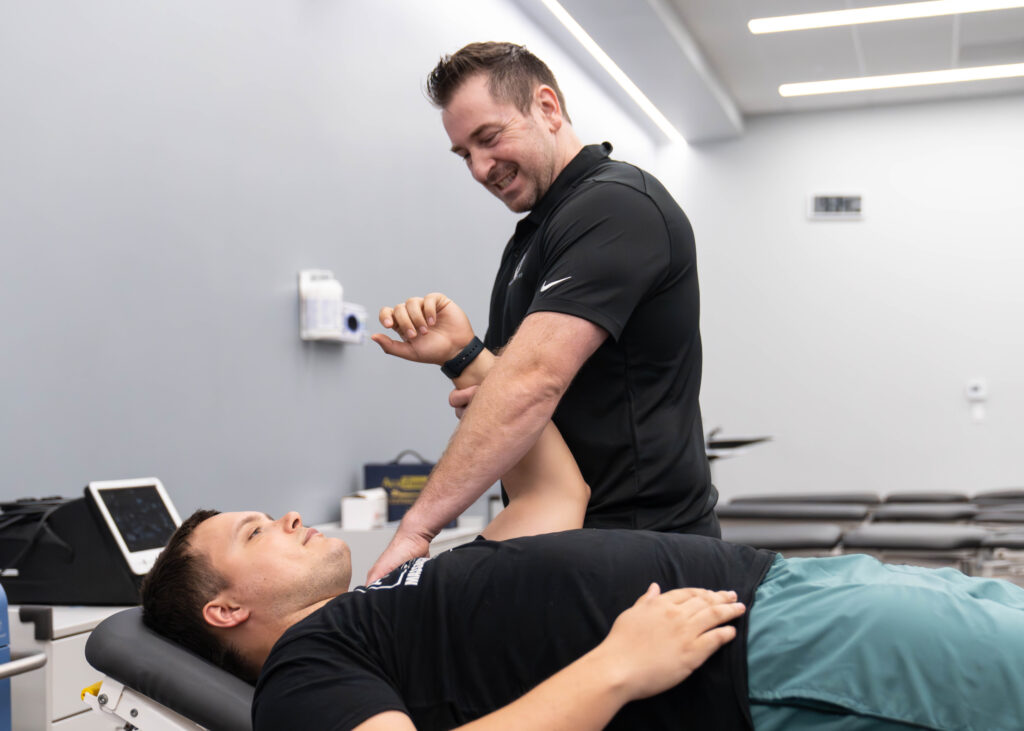
The Role of Physical Therapy in Recovery and Longevity
Many athletes focus on training hard, but few prioritize their ability to do so. The very best athletes understand that performance requires consistency and attention to detail over time.
Physical therapy can help athletes:
- Manage overuse issues
- Recover from intense seasons
- Address lingering pain
- Maintain movement quality
- Extend playing careers
Being healthy enough to train consistently is one of the biggest competitive advantages an athlete can have.
Why More Healthy Athletes Are Using Physical Therapy
Professional athletes have normalized proactive care. Now younger athletes and adult fitness clients are following that trend.
Using PT to improve flexibility, fix movement limitations, prepare for upcoming seasons or events, and preventing injury is commonplace among the most competitive athletes.
For anyone with the goal to stay healthy enough to keep improving, working with a physical therapist is an obvious choice. Bando Performance has a team of professionals focused solely on helping you achieve that goal.
FAQs
Do athletes need physical therapy if they are not injured?
Not always, but many athletes benefit from movement assessments and preventative care.
Can physical therapy improve speed or strength?
Indirectly, yes. Better movement mechanics often improve force production and efficiency.
Is physical therapy only for serious injuries?
No. PT can help address small issues before they become major setbacks.
How often should athletes go to physical therapy?
That depends on training goals, injury history, and current movement limitations.
Final Thoughts
Physical therapy is no longer just about getting athletes back on the field.
It can help them stay there longer and perform at a higher level while they are there.
Whether you are recovering from an injury or simply looking to move better, Bando’s integrated performance and physical therapy approach can help athletes build long-term durability and performance.