The question comes up within hours of most sports injuries: how long is this going to take?
It is one of the most honest things an injured athlete can ask, and it deserves a straight answer. For a mild ankle sprain, we are typically talking one to three weeks of structured rehab before return to full activity. A moderate hamstring strain runs four to eight weeks. A torn ligament requiring surgery can mean six months or more. The range is wide because the factors driving recovery vary enormously from case to case.
What does not vary is this: recovery is not a passive process. Waiting for pain to go away is not a plan. The athletes who come back fastest are the ones who start rebuilding strength, mobility, and movement quality as soon as their injury allows it, guided by a clear progression rather than a calendar.
This guide walks through realistic timelines for the most common sports injuries, explains what tends to slow recovery down, and describes what a structured return-to-sport process actually looks like when it is done well.
Why Recovery Timelines Vary So Much
Two athletes can have the same injury and recover at very different speeds.
That’s because healing depends on factors like:
- Severity of injury – mild strain vs full tear
- Body area involved – knees and shoulders often take longer than minor muscle strains
- Age and training history – younger or conditioned athletes may recover differently
- Previous injuries – recurring issues can delay progress
- Rehab consistency – skipped sessions usually slow results
- Returning too soon – setbacks often restart the process
This is why blanket timelines can be misleading. Healing is uniquely individual to each athlete, injury, and commitment to recovery.
Common Sports Injury Recovery Timelines
These are general estimates gathered through experience and research. A licensed medical professional or physical therapist should guide specific cases.
Ankle Sprain
- Mild: 1–3 weeks
- Moderate: 3–6 weeks
- Severe: 8+ weeks
Hamstring Strain
- Mild: 2–4 weeks
- Moderate: 4–8 weeks
- Severe tear: several months
Knee Ligament Injuries
- Mild sprain: 4–8 weeks
- Partial tear: 2–4 months
- Reconstruction: 6–12 months
Shoulder Injuries
- Mild strain: 2–6 weeks
- Instability or labrum issues: several months depending on treatment
Shin Splints / Overuse Injuries
- Often 2–6 weeks with proper load management
These numbers matter less than hitting the right rehab milestones along the way. However, above timelines provide the typical length of rehab or load management that is required to overcome the most common sports injuries.
What Can Slow Down Recovery
Many athletes lose time not because of the injury itself, but because of what happens after it.
Common Recovery Mistakes
- Ignoring pain and continuing to train
- Resting too long without rebuilding strength
- Returning once pain decreases, but before function returns
- Skipping mobility or stability work
- Not following a rehab plan
Pain going away does not always mean the injury is fully resolved.
What Helps Athletes Recover Faster and Safely
There is no magic shortcut, but there are smart ways to improve recovery.
Focus on the Basics
- Get an accurate diagnosis early
- Control swelling and inflammation when needed
- Follow a progressive rehab plan
- Prioritize sleep and nutrition
- Stay consistent with exercises
- Keep the rest of the body training when possible
Athletes often do best when they stay active within safe limits instead of doing nothing for weeks. An extended period of rest after surgical procedures may be recommended, but beginning progress once it’s safe is essential. The goal isn’t just to heal, but to return to sport with full confidence, greater strength, and improved mobility from before the injury.
When Is It Safe to Return to Sports?
Returning to play should be based on readiness, not just the calendar.
Good signs include:
- Full or near-full range of motion
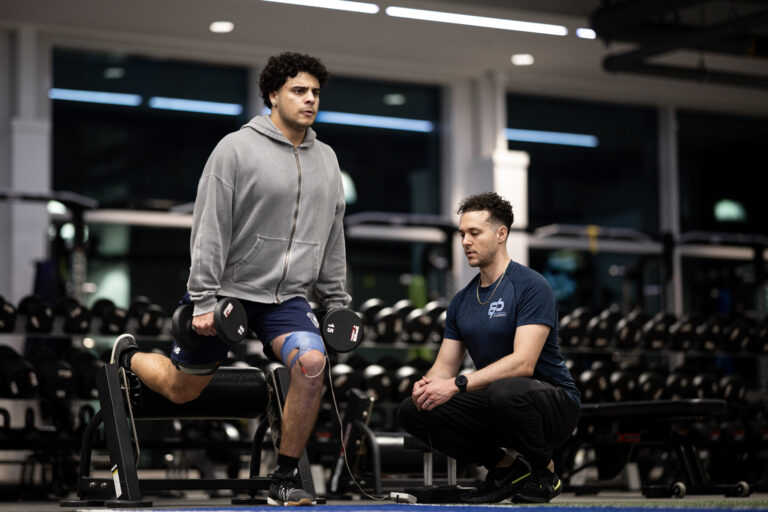
- Strength restored compared to the uninjured side
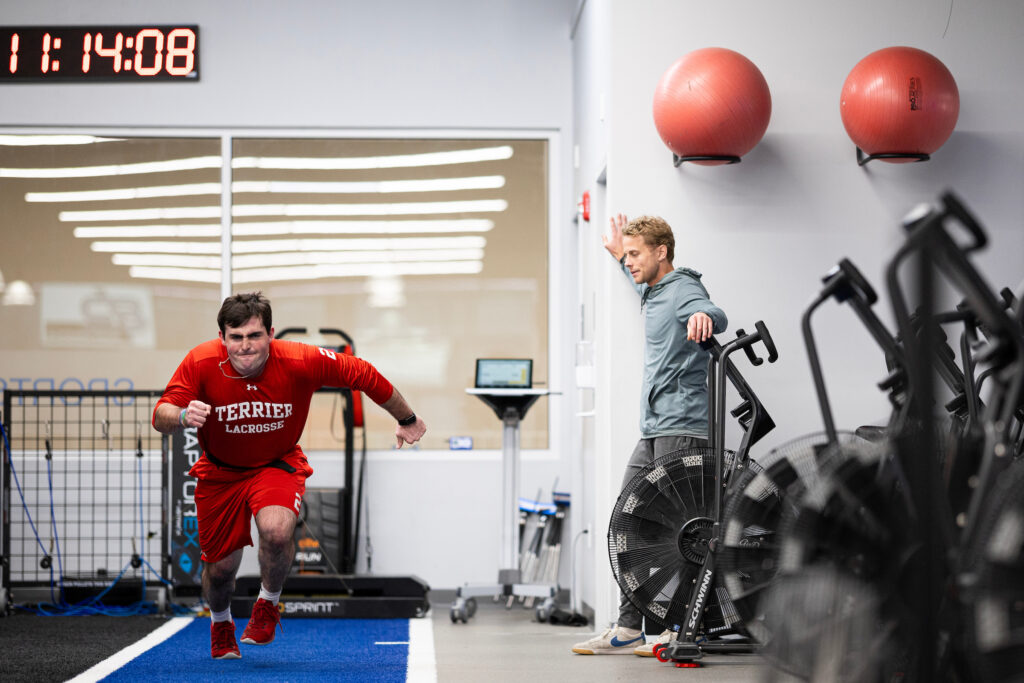
- Ability to sprint, cut, jump, and decelerate without pain
- Confidence in movement
- Clearance from a qualified provider when needed
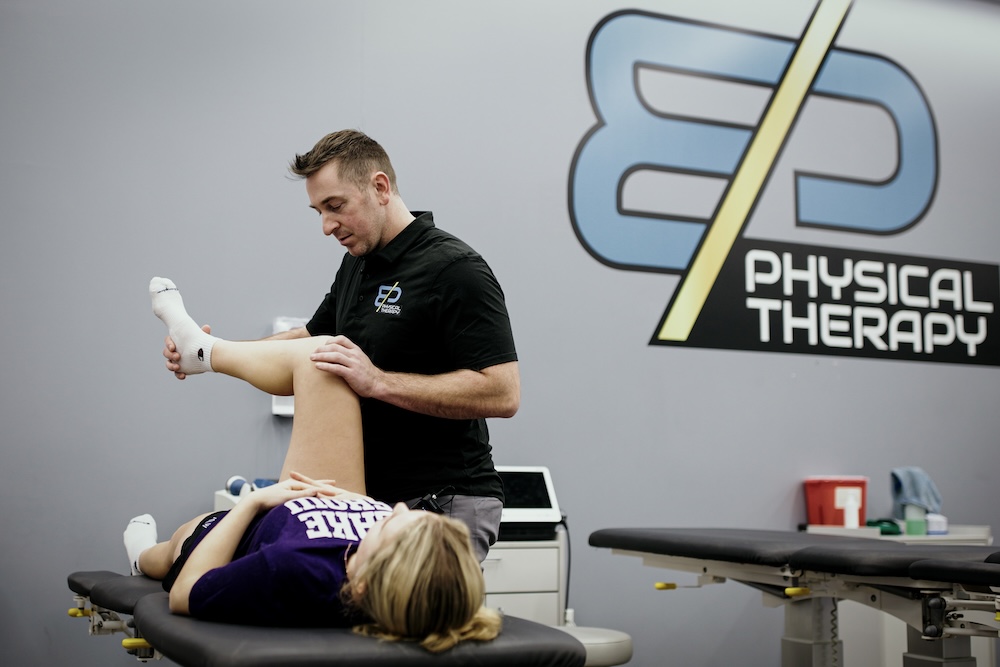
How Physical Therapy Helps Speed Recovery
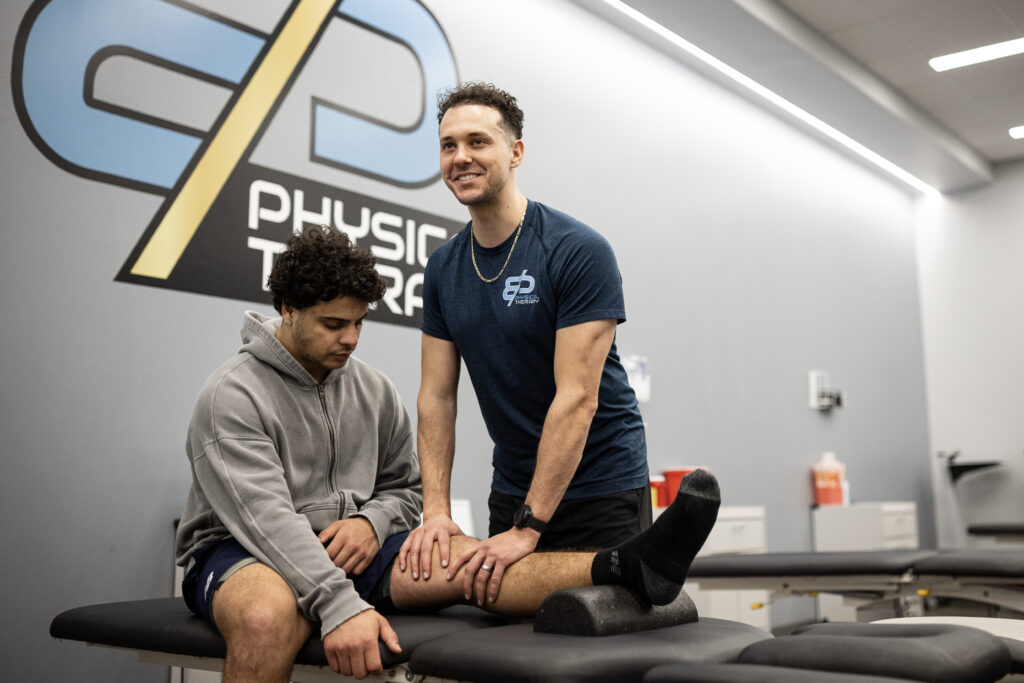
Physical therapy can shorten recovery by making rehab more efficient.
Instead of guessing, athletes who work with a physical therapist get a clear plan that targets:
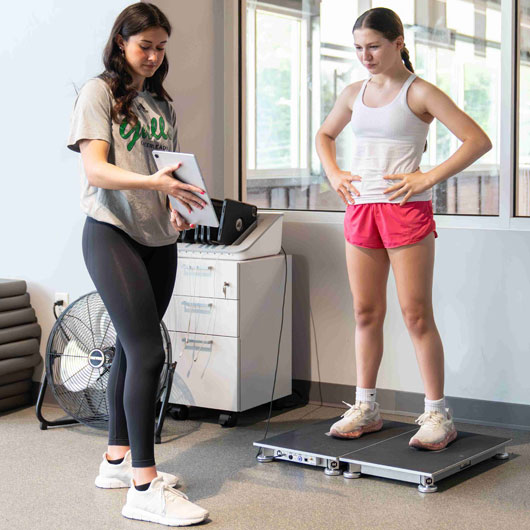
- Strength deficits
- Movement limitations
- Balance and stability
- Sport-specific mechanics
- Return-to-play progressions
At Bando Performance, rehab is approached with the athlete in mind. That means helping people heal while also preparing them to perform at a high level upon return.
If you’re dealing with an injury or trying to get back safely, working with our qualified team can make a major difference.
FAQs: How Long Does it Take to Recover From a Sports Injury?
Can I play through a sports injury?
Sometimes minor soreness is manageable, but true injuries often worsen when ignored. It’s best to get evaluated early.
Does physical therapy speed up healing?
PT does not override biology, but it often improves movement, strength, and decision-making so recovery is smoother and safer.
Why does my injury feel better but still not perform normally?
Pain can decrease before strength, coordination, and tissue tolerance fully return.
How do I know if I came back too soon?
Recurring pain, swelling, loss of confidence, or compensating movements are common warning signs.
Final Thoughts
Sports injury recovery takes patience and should be attacked with a detailed plan. The right combination of treatment, movement, and progressive training can help athletes return stronger than before.
If you or your athlete is navigating an injury, Bando Performance can help guide the rehab and return-to-play process with a performance-minded approach.