The Scholarship Reality: Why 99% of Athletes Don’t Make the Cut
Every year, millions of high school athletes dream of playing college sports. Less than 2% will receive athletic scholarships. What separates the chosen few from everyone else? It’s not just talent it’s preparation.
College scouts aren’t just looking for skilled players; they’re looking for athletes who can handle the physical and mental demands of college sports from day one.
The High School Athlete’s Make-or-Break Moment
High school is your audition for the next level. Every practice, every game, every training session is an opportunity to prove you belong. But here’s what most athletes don’t realize: your competition isn’t just the kid next to you—it’s every athlete in your position, in your state, in your region.
The numbers don’t lie:
- Only 3.4% of high school basketball players will play college basketball
- Just 2.9% of high school football players will compete collegiately
- Less than 1% will receive full scholarships
Why Strength Training is Your Secret Weapon
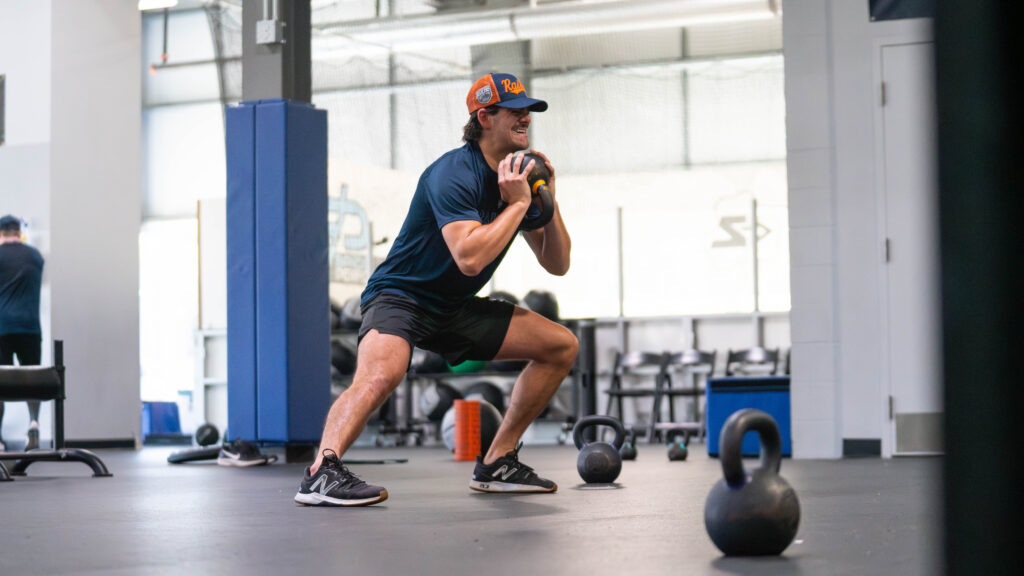
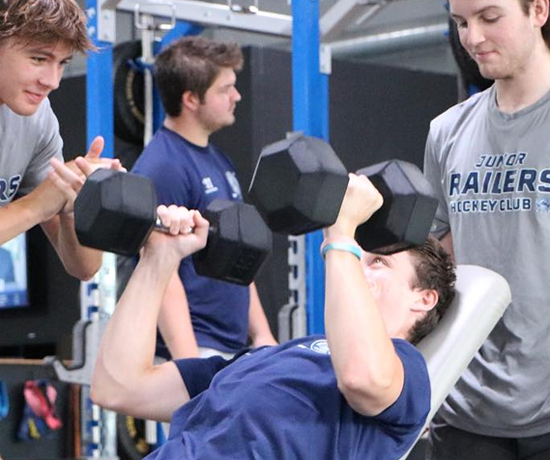
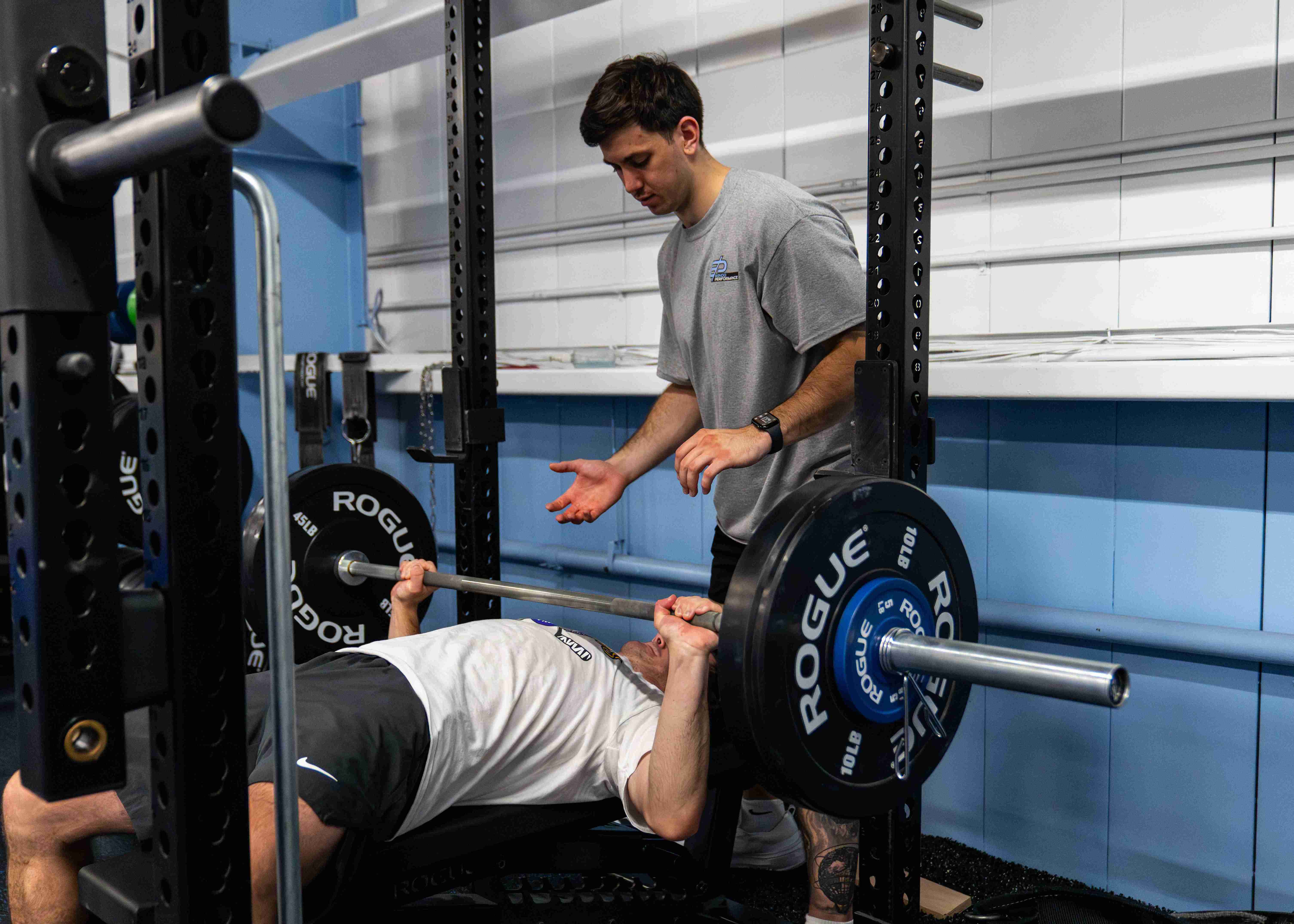
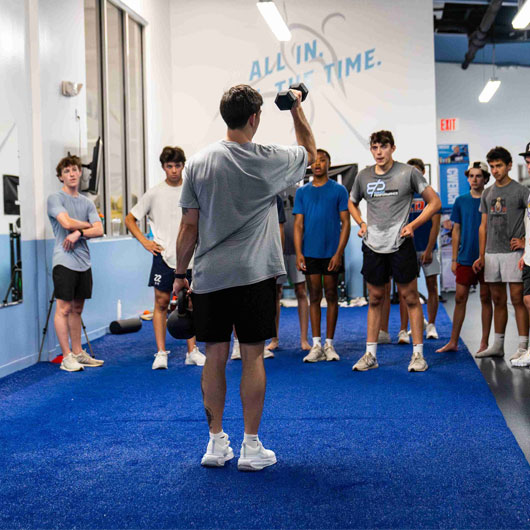
While your competition is playing video games, you’re building the physical foundation that will separate you when it matters most.
Strength Training Benefits for High School Athletes:
Power Development: Generate explosive force that translates directly to sport performance
- Vertical jump improvements of 4-6 inches are common
- Sprint speed increases of 0.2-0.4 seconds in 40-yard dash
- Throwing velocity improvements of 5-8 mph
Injury Prevention: Stay healthy and on the field when others are sidelined
- Reduce ACL injury risk by up to 50%
- Prevent overuse injuries through balanced development
- Build resilient joints and connective tissue
Confidence Multiplication: Physical preparation builds mental toughness
- Unshakeable belief in your abilities
- Leadership qualities that coaches notice
- Competitive edge in crucial moments
The Recruiting Advantage
College coaches have limited scholarships and unlimited options. They’re looking for athletes who:
✓ Demonstrate Commitment: Consistent training shows dedication
✓ Handle Physicality: Strength training proves you can compete at the next level
✓ Stay Healthy: Injury-resistant athletes are better investments
✓ Improve Continuously: Coaches want athletes who get better, not just naturally gifted players
Sport-Specific Training That Gets Results
Football Athletes:
- Explosive hip drive for blocking and tackling
- Rotational power for throwing and striking
- Single-leg stability for cutting and direction changes
Basketball Players:
- Vertical jump training for rebounds and finishing
- Lateral quickness for defensive slides
- Core stability for contact finishing
Soccer Athletes:
- Single-leg strength for kicking power
- Agility training for quick direction changes
- Endurance that maintains speed throughout the game
Baseball/Softball Players:
- Rotational power for hitting and throwing
- Posterior chain strength for injury prevention
- Explosive starts for base running
The High School Training Advantage Timeline
Freshman/Sophomore Year: Build movement foundation and training habits
Junior Year: Develop sport-specific power and speed
Senior Year: Peak performance for recruiting showcases
Common High School Training Mistakes
Mistake #1: Waiting until junior or senior year to start serious training
Mistake #2: Following generic programs instead of sport-specific training
Mistake #3: Focusing only on glamour lifts instead of functional movement
Mistake #4: Ignoring injury prevention and recovery
Real Results from Real Athletes
“My 40-time dropped from 4.8 to 4.4 seconds in one season. I went from riding the bench to starting varsity and getting recruited by three Division I schools.” – Marcus J., Football
“The confidence I gained from getting stronger translated to everything. My jump shot, my defense, my leadership—everything improved because I knew I was physically prepared.” – Ashley M., Basketball
Your Recruitment Game Plan
Phase 1: Assessment and goal setting based on your sport and position
Phase 2: Foundation building with progressive overload
Phase 3: Sport-specific power and speed development
Phase 4: Peak performance for showcases and recruiting events
The athletes getting scholarships aren’t just the most talented—they’re the most prepared. Which category will you be in?