When athletes and parents think about strength training, performance usually comes to mind first. Getting faster. Jumping higher. Hitting harder. Competing at a higher level.
Those are real benefits. But they are not the only ones.
Strength training is also one of the most effective tools available for keeping athletes healthy. A well-designed program does not just make athletes more capable, it makes them more durable. It builds the physical foundation that allows the body to absorb, manage, and adapt to the demands of sport without breaking down.
For athletes who want a long, productive career—and for parents who want to protect their child’s athletic development—understanding the relationship between strength training and injury prevention is one of the most valuable conversations in sports performance.
Does Strength Training Actually Prevent Sports Injuries?
The short answer is yes. Particularly for non-contact injuries, which represent a large share of what athletes experience across virtually every sport.
Not every injury is preventable. Contact injuries like collisions, falls, and unpredictable accidents are part of athletics and cannot be engineered away entirely. But a significant portion of the injuries that sideline athletes are non-contact in nature. ACL tears, hamstring strains, patellar tendinopathy, stress fractures, ankle sprains, shoulder breakdowns; many of these develop because the body was asked to do something it was not physically prepared to handle.
That gap between demand and capacity is where strength training does its most important protective work.
When athletes are stronger, more stable, and better conditioned, their bodies can tolerate higher loads, absorb force more efficiently, and maintain sound mechanics even when fatigued. Each of those qualities is trainable. And each of them directly reduces the likelihood of the injuries that end seasons and, in some cases, careers.
How Strength Training Protects the Body
The protective effect of strength training is not a single mechanism. It works through several interconnected pathways. Understanding them helps explain why a good strength program does far more than make muscles bigger.
1. Building tissue resilience.
Muscles, tendons, and ligaments adapt to the stress placed on them over time. Progressive strength training gradually increases the load these tissues can absorb and recover from. Athletes with higher tissue resilience can handle the repeated physical demands of practice and competition with less cumulative breakdown. This is especially relevant for overuse injuries, which develop when load consistently exceeds the body’s capacity to recover.
2. Improving neuromuscular control.
Injury does not always happen because a structure is weak in isolation. It often happens because the nervous system cannot coordinate the muscles around a joint fast enough to protect it during rapid, unpredictable movement. Strength training, particularly exercises that challenge balance, single-leg stability, and reactive movement, improves the speed and precision of this neuromuscular response. Better joint control under dynamic load is one of the primary mechanisms behind reduced ACL and ankle injury rates in well-trained athletes.
3. Correcting muscle imbalances.
Most athletes develop strength asymmetries over time. Between left and right sides, opposing muscle groups, and the muscles that produce force and those that decelerate it. These imbalances create movement patterns that place abnormal stress on joints and connective tissue. Targeted strength training identifies and addresses those gaps before they create injury vulnerability.
4. Improving deceleration mechanics.
The majority of non-contact lower extremity injuries occur during deceleration, not acceleration. Landing from a jump, stopping sharply, and changing direction all require the body to absorb and redirect significant force in a very short window of time. Eccentric strength—the ability to control load as a muscle lengthens—is the primary quality that makes deceleration safe. It is also one of the most undertrained qualities in typical sport practice.
5. Maintaining mechanics under fatigue.
Technique breaks down as athletes fatigue. Posture collapses. Knees cave. Trunk control diminishes. These late-game or late-practice mechanical breakdowns are a significant injury risk factor, particularly in contact and multi-directional sports. Athletes who are better conditioned through strength training tend to maintain movement quality deeper into competition, reducing their exposure to injury at the moments when risk is highest.
The Injuries Strength Training Helps Prevent
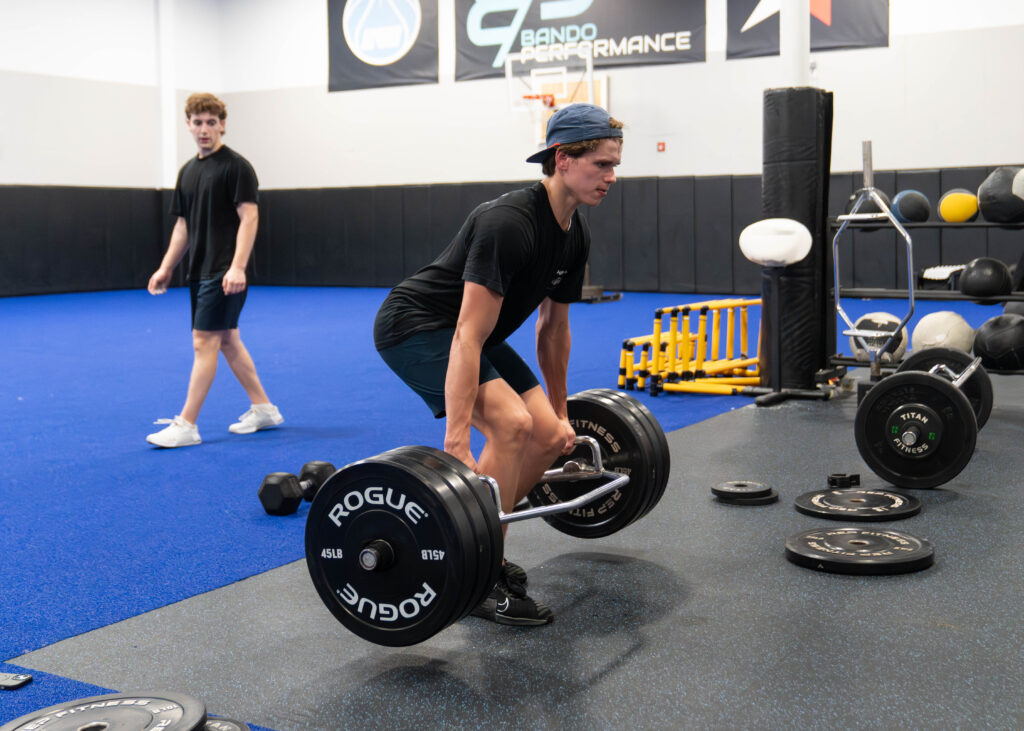
While no training program eliminates injury risk entirely, strength and conditioning work has been associated with meaningful risk reduction across several of the most common sports injuries.
ACL Tears
ACL injuries are among the most feared in youth and competitive athletics. A meaningful portion of non-contact ACL injuries are linked to poor landing mechanics, weak hip and glute musculature, and insufficient neuromuscular control around the knee. Strength programs that include hip strengthening, single-leg training, and landing mechanics work target these specific risk factors. Female athletes, who face a disproportionately higher ACL injury rate than male athletes, are particularly well-served by this type of programming.
Hamstring Strains
Hamstring injuries are among the most common in running and field sports, and they carry a high re-injury rate when not properly addressed. A well-documented risk factor is weakness in eccentric hamstring strength, or the muscle’s ability to decelerate the leg during high-speed running. Exercises that specifically develop eccentric hamstring strength have become a standard component of injury prevention programs in many team sports for this reason.
Patellar Tendinopathy
Patellar tendinopathy, commonly referred to as jumper’s knee, is an overuse condition that develops when repetitive loading exceeds the tendon’s capacity to recover. Progressive strength training, including heavy slow resistance work and eccentric loading, is one of the primary evidence-informed approaches to both preventing and managing this condition by gradually building tendon load tolerance.
Ankle Sprains
Lateral ankle sprains are among the most frequently occurring injuries in sport. Single-leg balance training and proprioceptive work improve the joint’s ability to stabilize itself during unpredictable movement. Athletes with better ankle stability and reactive neuromuscular control are less vulnerable when their foot lands on uneven ground or rolls unexpectedly.
Shoulder Injuries in Throwing Athletes
Baseball players, softball players, lacrosse players, and quarterbacks all place significant repetitive stress on the shoulder and elbow. Rotator cuff strength, scapular stability, and hip and trunk power are all trainable through a structured strength program. Athletes who lack strength in these areas often compensate in ways that accelerate wear on the shoulder and elbow over the course of a season.
Overuse Injuries
Overuse injuries are, by definition, a mismatch between load and capacity. They develop when an athlete’s body is repeatedly asked to handle more than it has been prepared to manage. Building capacity through progressive strength training is one of the most direct ways to widen that margin and reduce overuse risk, particularly for multi-sport athletes who carry high training loads across overlapping seasons.
Why Sport Practice Alone Is Not Enough
A common assumption is that playing sports builds the fitness and resilience needed to handle those same sports. The reality is more complicated.
Sport practice develops sport-specific skills like technical ability, tactical awareness, conditioning. But it does not systematically develop the physical qualities that protect athletes from injury. In fact, repetitive sport-specific movement without complementary strength work often creates the imbalances and overuse patterns that eventually lead to breakdown.
The athlete who only trains through their sport is building demand without consistently building capacity. Over time, that gap tends to close in one of two ways: through intentional preparation, or through injury.
Athletes at every level who add structured strength training to their sport participation are not doing extra work for marginal gains. They are addressing a fundamental gap that their sport alone cannot fill.
Starting With a Clear Picture: Movement Assessments
Injury prevention works best when it is built around what a specific athlete actually needs, rather than a generic template applied to all.
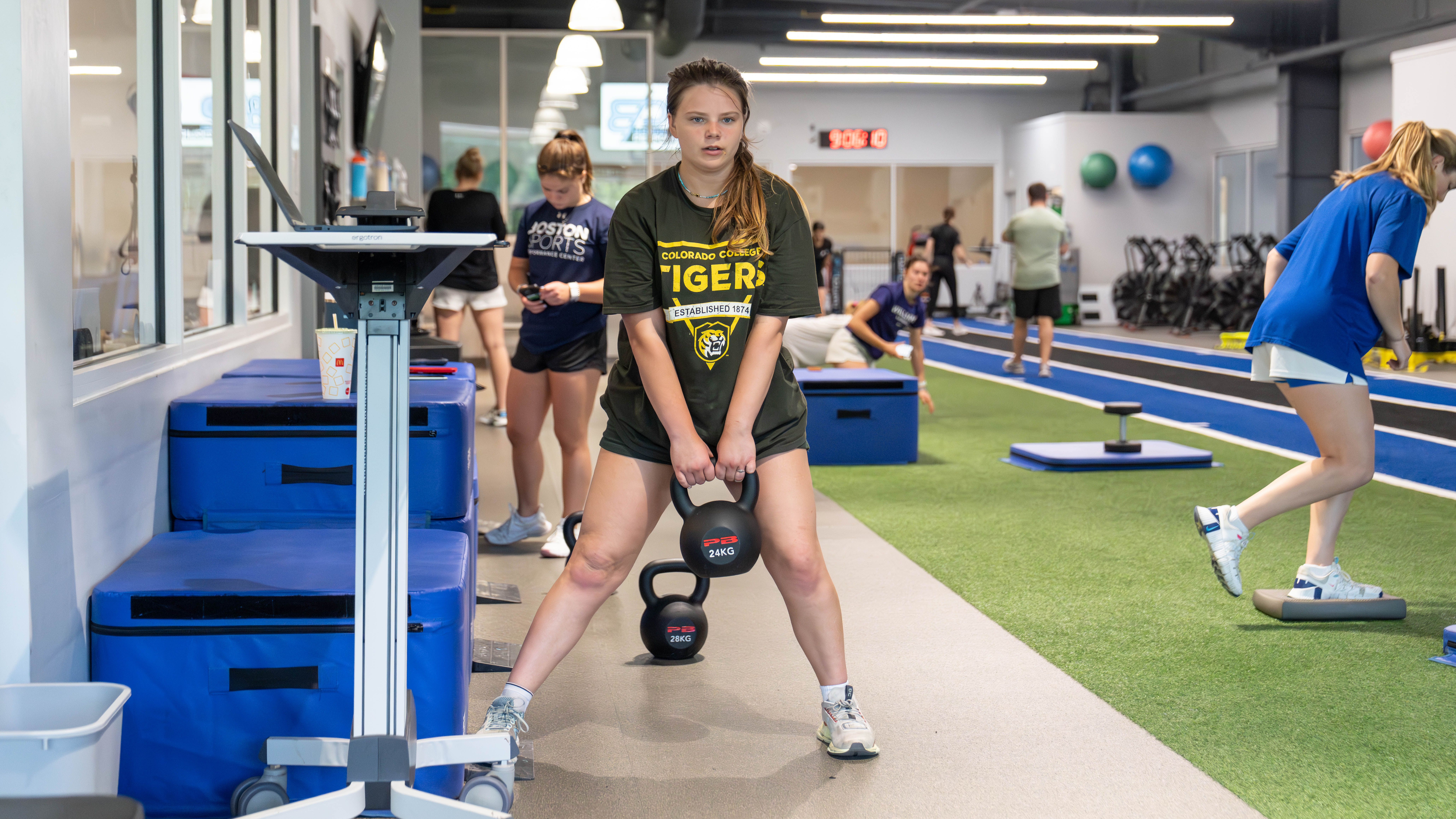
Movement assessments give coaches and physical therapists the information needed to identify an athlete’s individual vulnerabilities before they become injuries. Strength asymmetries, mobility restrictions, stability deficits, and compensation patterns can all be identified through a structured evaluation and addressed proactively through targeted programming.
For athletes who have a history of recurring injuries, or who are entering a high-demand season, a movement assessment is often the most important first step in building an effective prevention plan.
What an Injury Prevention Strength Program Looks Like
Effective injury prevention training is not random exercise. It is structured, progressive, and built around the specific demands of an athlete’s sport, position, and individual movement profile.
A well-designed program typically includes:
- Eccentric strength work targeting the hamstrings, quadriceps, and hip musculature
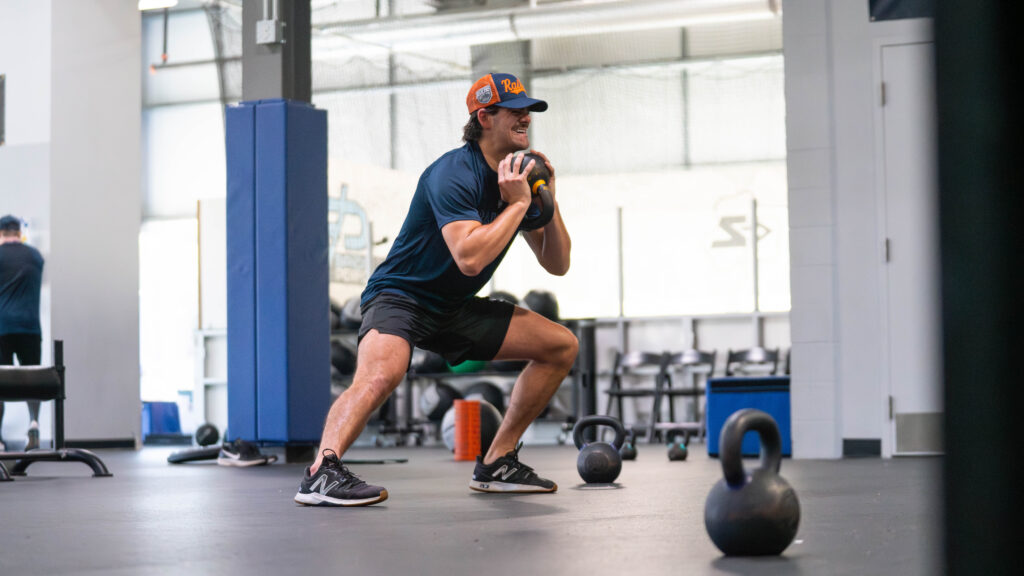
- Single-leg strength and stability exercises that mirror the demands of sports
- Deceleration mechanics and landing pattern training
- Rotational strength and core stability development
- Shoulder and scapular stability work for overhead and throwing athletes
- Progressive overload that builds tissue resilience over time
- Periodization that accounts for in-season versus off-season training demands
The distinction between in-season and off-season programming matters. Off-season training can prioritize building strength and addressing weaknesses with higher volume and intensity. In-season training shifts toward maintaining those qualities while managing overall fatigue. Both phases serve the goal of keeping athletes healthy and performing at a high level.
What this does not look like is a generic gym program or a one-size-fits-all template. The most effective injury prevention programs are individualized, which is why the assessment that precedes programming is so important.
How Bando Integrates Injury Prevention Into Athletic Development
At Bando Performance, injury prevention is not a separate add-on to training. It is built into the way every program is designed.
Because physical therapy and performance training operate under the same roof, the coaches and therapists working with each athlete share a complete picture of that athlete’s history, movement profile, and current physical status. Prevention programming is not guesswork, it is informed by assessment and coordinated across disciplines.
For multi-sport youth athletes in the greater Boston and Metro West area, this integrated approach means strength development and injury prevention are built in parallel from the beginning — not addressed separately after a problem already exists.
The goal is simple: athletes who are strong, balanced, and well-prepared get hurt less. That is not luck. It is a product of training the right way.
FAQs
Can strength training really prevent sports injuries?
For non-contact injuries—which represent a significant share of sports injuries across most disciplines—yes. Strength training builds the physical qualities that protect athletes: tissue resilience, neuromuscular control, balanced musculature, and the ability to maintain mechanics under fatigue. It does not eliminate all injury risk, but it meaningfully reduces the risk of the injuries most within an athlete’s control.
What type of strength training is best for injury prevention?
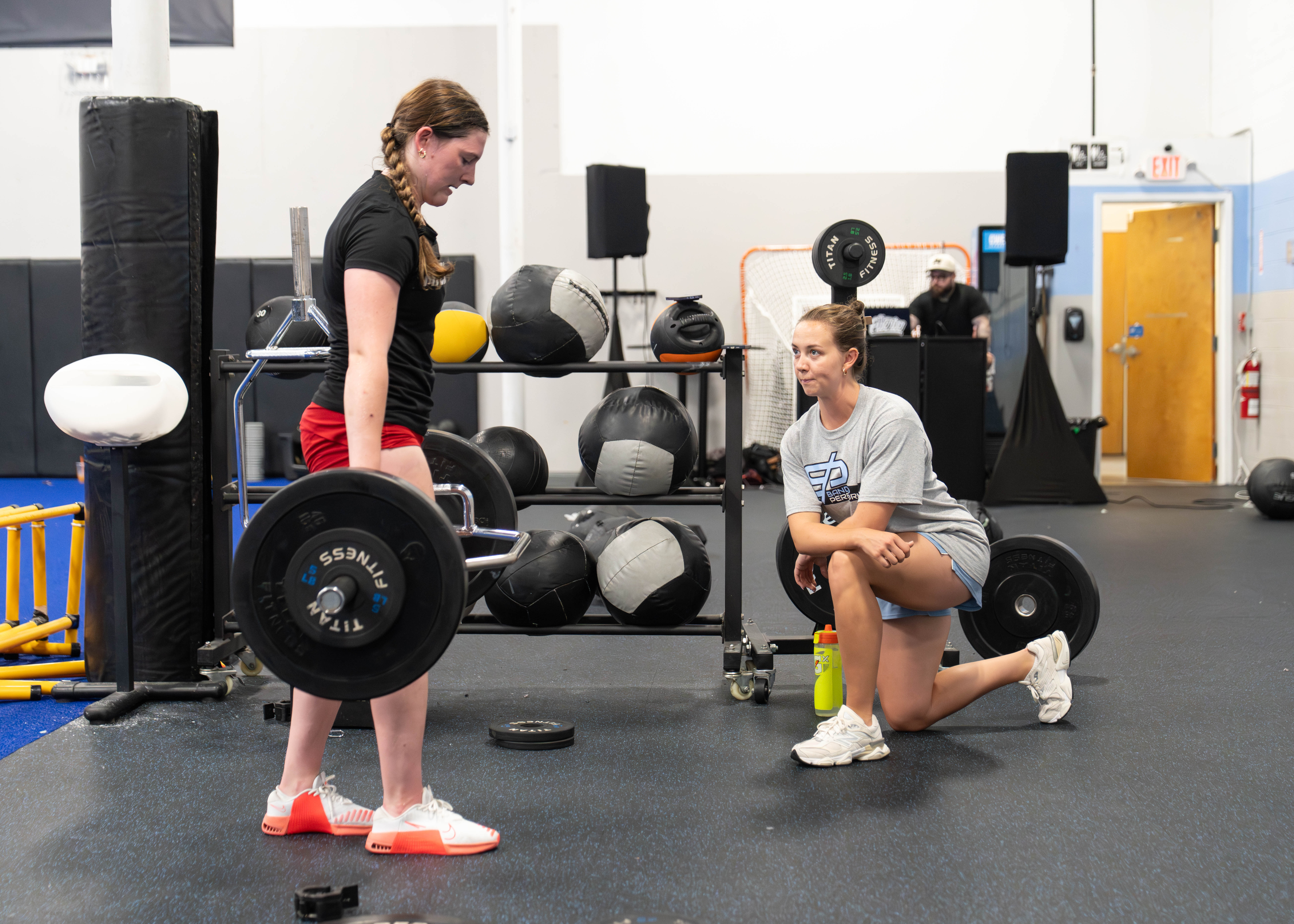
Effective injury prevention training typically emphasizes eccentric strength, single-leg stability, deceleration mechanics, and sport-specific movement patterns rather than general barbell work alone. The best approach is one that is individualized based on the athlete’s sport, position, movement assessment, and injury history.
How often should athletes train for injury prevention?
For most athletes, two to three strength sessions per week is sufficient to develop meaningful protective adaptations alongside sport participation. The programming should be adjusted based on whether the athlete is in-season or off-season, as in-season training prioritizes maintenance while managing total load.
Is injury prevention training different from regular strength training?
In some ways, yes. While general strength training does provide protective benefits, a program designed specifically with injury prevention in mind will tend to emphasize eccentric strength, neuromuscular control, movement quality, and balance work more deliberately than a traditional hypertrophy or performance program. In practice, a good athletic development program integrates both.
Should injured athletes do strength training?
In most cases, some form of strength training is appropriate even during injury recovery, though the type, volume, and intensity must be carefully managed. Athletes who maintain strength work throughout recovery tend to return to sport with fewer deficits than those who rest passively. A qualified provider should guide what is safe and appropriate for each specific injury.
Final Thoughts
Injury prevention is not a program athletes run once before a season. It is a product of training consistently, training intelligently, and building the physical qualities that allow the body to handle the demands that competition places on it.
Strength training is the most direct, most controllable lever athletes have for reducing injury risk. Done right, it does not just make athletes more capable, it keeps them in the game long enough to become the athlete they are working to be.
If you are looking to build a prevention-focused training plan for yourself or your athlete, Bando Performance’s integrated approach to strength and physical therapy can help you get there.