
Patrick Fogarty
PT, DPT, OCS
WellesleyPerformance Physical Therapist
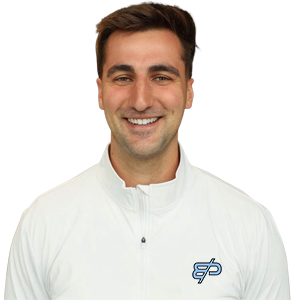
Patrick Fogarty
PT, DPT, OCS•Board-Certified Orthopedic Clinical Specialist (OCS)
Pat received his Doctorate in Physical Therapy from Duquesne University. He also holds Bachelor's Degrees in Biology and Health Sciences from Duquesne. After graduating from PT school, Pat completed a Clinical Residency in Orthopedics with the MGH Institute of Health Professions.
He is a Board-Certified Orthopedic Clinical Specialist, and has served as a clinical mentor for other orthopedic sports physical therapists pursuing board certification.
Education
- Doctorate in Physical Therapy, Duquesne University
- B.S. Biology and Health Sciences, Duquesne University
- Clinical Residency in Orthopedics, MGH Institute of Health Professions
Certifications
- Board-Certified Orthopedic Clinical Specialist (OCS)
Experience
- Clinical mentor for orthopedic sports physical therapists pursuing board certification
Specialties
- Biomechanical / movement assessment
- Manual therapy / soft tissue work
- Active Release Technique (ART)
- Instrument-assisted soft tissue mobilization
- Dry needling
- Joint manipulation and mobilization
- Targeted exercise programs

On Instagram
@patrickfogartydpt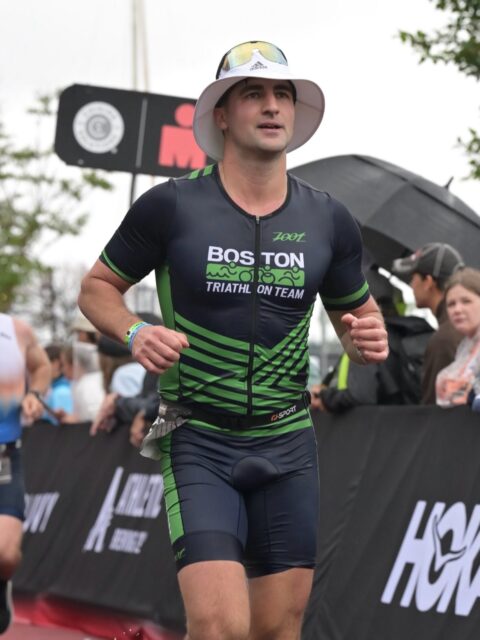
Oct 19 · Carousel
30 MPH headwinds and a torrential downpour, just for a couple redbull vodka slushies at jimmyswrightsvillebeach Maybe the only time I was somewhat serious in asking myself why I signed up for this. Regardless, had a blast racing my old stomping grounds. Looking forward to an off season of building. 🏊 🚲 🏃
View post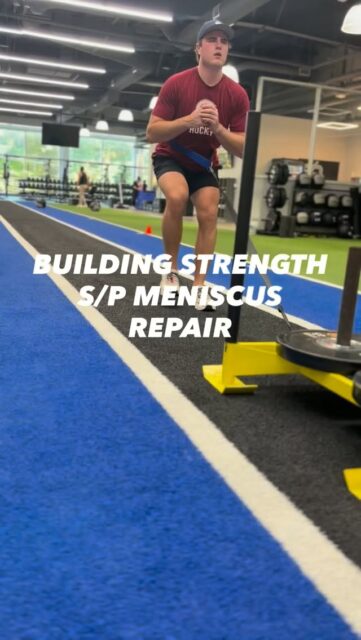
Oct 14 · Reel
Post-Op Knee Rehab ⬇️ Meniscus repair rehab shouldn’t be easy. A knee that’s only ever been protected stays fragile. To build one that’s resilient, the loading has to be challenging, progressive, and intentional. Strong, tolerant tissue is what prepares the knee for running, jumping, lifting, and everything else you want to get back to. Rehab is where you build the knee for what comes next. Questions about your current rehab? Shoot me a DM to see if you’re on the right track.
Watch video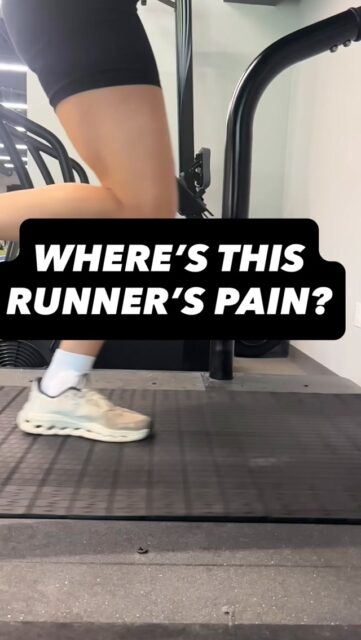
Oct 6 · Reel
WHERE’S THE PAIN? This runner came to me with calf/achilles pain after a recent increase in running volume. Above is the video from her initial running gait analysis. Her forefoot strike placed a lot of demand on the Achilles and Gastroc/Soleus(calf) musculature while running. Is this bad? Absolutely not. There’s actually a clear reason she’s doing it. This client has a history of a R ACL reconstruction 8 years ago. Since then, she feels her running form has slowly evolved from more of a heel strike pattern to a forefoot strike pattern to put less stress through her right knee. But now she has calf pain. So should I switch her back to a heel strike pattern? Most likely not. She demonstrated significant calf weakness on her right side compared to her left. Her calf pain is a result of her calf not having the capacity to meet the demand that running is placing on it. Our plan of care will consist of calf strengthening, plyometric variations and proximal loading combined with tolerated running intervals. Want a deeper dive into how you run? Shoot me a DM to book a running gait analysis.
Watch video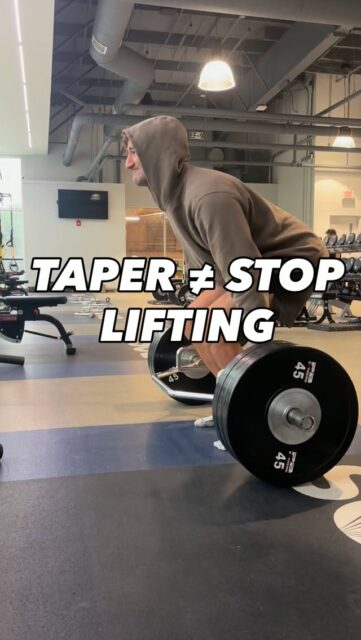
Sep 28 · Reel
Taper ≠ stop lifting. Strength Training does NOT follow the same schedule as your race taper. As we come off the final heavy volume weeks of race prep, it’s easy for us to lose sight of strength training. Here’s the framework I follow for myself and use with my endurance athletes ⬇️ • Cut volume 40–60% — fewer sets, drop accessories, keep the main lifts • Keep intensity — same loads, ~85%+ of normal • 1-2 sessions/week until 7-10 days out Save this for your next taper. llanos-lagos et al. 2024 - Running economy meta-analysis. Ronnestad & Mujika 2014 - Optimizing Strength Training for running and cycling.
Watch video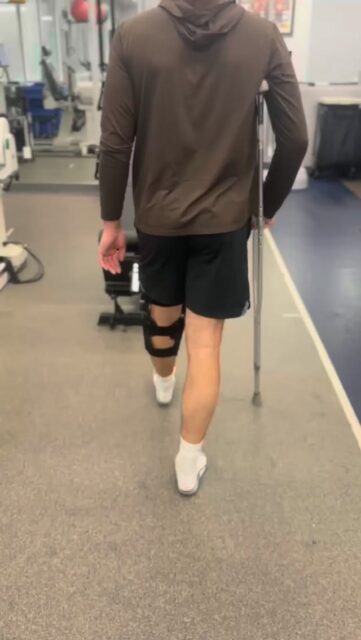
Aug 20 · Reel
Surgery ➡️ Week 4 pgarr24 has been with me since Post Op Day 1. Here’s a look at the first 4 weeks of rehab with the following goals in mind: 1.) Reduce post-operative swelling and restore FULL knee flexion and extension ROM 2.) Pre-Gait progressions and gait training work (always discharging brace BEFORE crutch) 3.) NMES and BFR early and often to reduce quad inhibition (NMES at home as well) 4.) Exposure to loading in closed chain once cleared by surgeon Every week of rehab should have a clear goal in mind, whether you are in post op rehab or dealing with general pain. Stay tuned to see PJ’s progress from week 4 ➡️ week 8.
Watch video
Aug 4 · Carousel
How to progress weekly mileage ⬇️ Increasing week-to-week mileage by 10% has always been a common recommendation for runners trying to progress their mileage safely and avoid injury. A 2025 study tracking 20,000 runners for up to 18 months found that weekly mileage increases were not found to be a significant predictor of injury rate. What DID serve as a better predictor of injury were long runs that exceeded 10% more than an individual’s longest run in the past 30 days. What does this mean? More research on training volume and other variables will be beneficial in further defining predictors of running-related injuries. In the meantime, keep your long runs manageable in comparison to your recent 30 day history. Need some direction increasing your mileage? Shoot me a DM to schedule a free call to find something that works for you. 🏃
View postMy nine-year-old daughter’s figure skating coach recommended that she make an appointment with Pat, after fracturing her collarbone in an unrelated accident.” — Pamela J.
Bando Physical Therapy — Wellesley
900 Worcester Street, Suite 201
Wellesley, MA 02482
Mon–Fri 8 AM–7 PM · Sat 8 AM–1 PM
Patient Reviews
7 Google reviews mention Patrick
- ★★★★★
Pat and the team at Bando PT helped me work through a hamstring strain during half marathon training. They got me back up and running in time for my race, and feeling good enough to beat my goal time. Thanks!
Michael WeismanBando Physical Therapy · Wellesley - ★★★★★
Very happy with Bando Performance Physical Therapy, and especially the physical therapist I worked with, Dr. Patrick Fogarty. The Bando Performance PT area is well equipped with the tools to provide thorough therapeutic treatment. And Patrick Fogarty is very good at diagnosing, fully understanding, and creating a cumulative treatment program necessary for a patient to recover from the underlying conditions causing pain and limitations. Excellent communication with Patrick and the staff at Bando, and the friendly nature of all of them, really create an environment for successful treatment. In addition, the 90 minute sessions allow for much less rushed treatments, instruction, and general communication, resulting in a more successful and fulfilling outcome. I definitely recommend Bando Performance Physical Therapy and Dr. Patrick Fogarty for treatment of musculoskeletal problems.
BillBando Physical Therapy · Wellesley - ★★★★★
My nine-year-old daughter’s figure skating coach recommended that she make an appointment with Pat, after fracturing her collarbone in an unrelated accident. Pat was incredibly kind and thorough - he made PT enjoyable and manageable for our very active (but sidelined) little girl! He was always reachable via text, and very generous with his time. We would absolutely return, should the need arise! Thanks, Pat!
Pamela JoyceBando Physical Therapy · Wellesley - ★★★★★
My daughter first connected with Pat through an evaluation he offered at our local skating club, and it has been such a positive experience for both of us. The convenience of having his office right in the skating facility is fantastic, but what truly stands out is Pat’s expertise and care. My 12-year-old daughter had been dealing with persistent ankle pain related to skating. After evaluating her, Pat identified that she had an older injury and needed to build strength and stability in her ankles to support the demands of skating both on and off the ice. Over the past few months she has made tremendous progress. She used to complain about ankle pain almost daily, and now she has mostly pain-free weeks. If she tweaks it occasionally, Pat helps get her right back on track. She still goes twice a month and genuinely enjoys going, which says a lot for a middle schooler. Pat is wonderful with her, and the other PTs in the facility are always encouraging and supportive of her progress. After seeing the impact Pat had with my daughter, I mentioned a long-standing issue of my own. I had a skiing accident three years ago and had never been able to return to running without sharp calf pain. I used to run 5–6 miles several days a week, but every attempt to start again would bring the pain right back. After working with Pat, I’ve seen remarkable improvement in a short period of time. Pat was able to pinpoint the issue quickly and gave me targeted treatment and exercises to work on between sessions. While I’m not back to full mileage yet, I’ve been able to start interval training again completely pain-free. What really sets Pat apart is the time and attention he gives each patient. Sessions are about an hour, which is very different from most PT experiences I’ve had, and he truly takes the time to understand your goals and tailor the work to you. Pat’s specialty in helping runners get healthy and return to sport has been exactly what I needed, but he clearly has the expertise to support athletes and active people of all kinds. Most importantly, you never feel like just another appointment on the schedule. Pat genuinely cares about helping you heal and get back to doing what you love. I can’t recommend him highly enough.
Paula RobertBando Physical Therapy · Wellesley - ★★★★★
Pat has helped me effectively rehab my shoulders in a very short timeframe as I prepare for my powerlifting competition. I’ve really appreciated his guidance and communication throughout this process to make sure he addresses all my issues and leaves me feeling better than when I arrived every time!
ChanBando Physical Therapy · Wellesley - ★★★★★
Pat and the team are incredible! Pat helped me recover and rehab from an MCL strain/neuralgia. As a competitive swimmer, every day out of the water is costly. Pat designed a specific plan for my sport and helped me get back in the water in rapid time. Beyond his vast knowledge of biomechanics and physiotherapy Pat's willingness to listen and apply feedback to the program was exceptional. If I ever thought something needed to be changed or tweaked, Pat was an open ear. What also stood out to me was Pat's genuine concern for his patients and passion for his practice. He still checks in on me even though I no longer see him regularly. Pat is also a joy to be around, his kindness and authenticity make it super easy to talk about anything. If I ever need a PT or a friend, I know who I can call!
Aroon KangBando Physical Therapy · Wellesley - ★★★★★
Pat Fogarty provides excellent service, he is professional and allows for collaborative care with consistent communication. Highly recommend to anybody seeking PT or is trying to improve their physical performance!
Jacob VreelandBando Physical Therapy · Wellesley