Being medically cleared after a sports injury should feel like a milestone. For many athletes, it feels more like a question mark.
The pain is gone, or close enough. The physical therapist has signed off. The doctor says you are good to go. But when you get back on the field and try to do the things your sport actually requires—cut at full speed, accelerate off the line, compete for a ball in traffic—something is missing. You feel hesitant in movements that used to be automatic. Your conditioning is down. You are compensating in ways you can feel but cannot quite explain. You are healthy, technically, but you are not ready.
This is one of the most common and least-talked-about experiences in sports injury recovery, and it happens because medical clearance and athletic readiness measure different things. Clearance says the injured structure has healed adequately. Readiness says the whole athlete has been rebuilt to the point where competition is genuinely safe and sustainable. The first benchmark is clinical, the second is performance-based, and there is almost always a meaningful gap between them.
Why Rehab Alone Is Not Always Enough
Traditional rehab is designed to restore function.
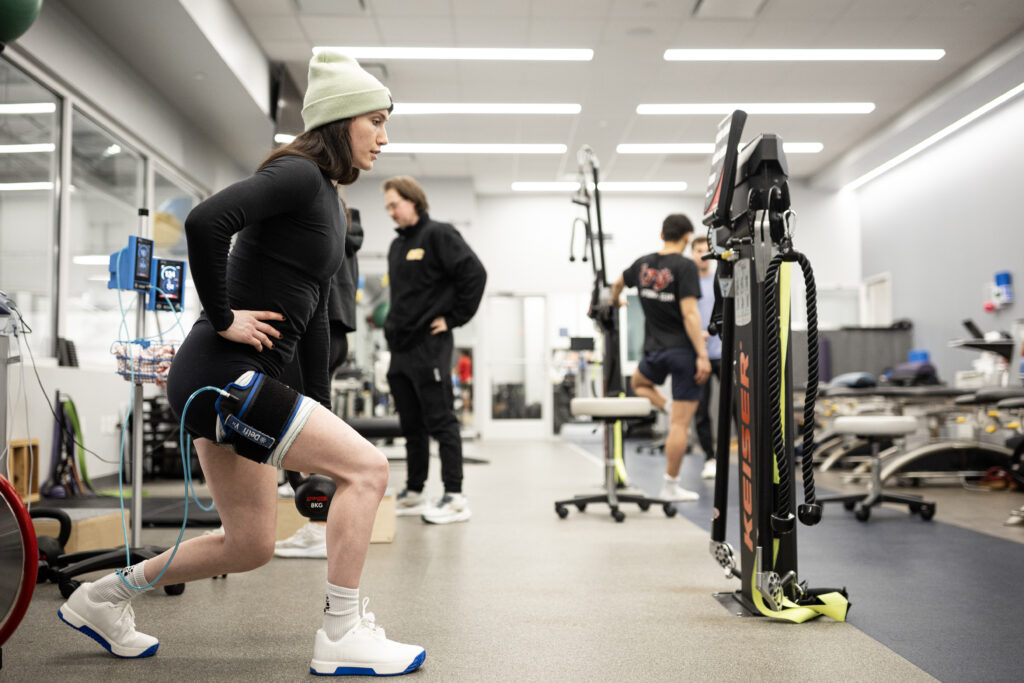
That is incredibly important, especially during the early stages of recovery. Athletes need to reduce pain, restore mobility, rebuild baseline strength, and improve stability around the injured area.
But sports place much greater demands on the body than daily life.
An athlete may be cleared to jog, squat, or perform controlled exercises in a clinic setting while still being unprepared for sprinting at full speed, sudden change of direction, jumping and landing, or explosive rotational movements.
That is why many athletes say they feel physically healed but not fully game ready.
What Happens Between Physical Therapy and Competition
This transition phase is often overlooked.
Some athletes finish rehab and immediately jump back into practices or games without rebuilding sport-specific capacity. Others stop structured work entirely once symptoms improve.
Neither approach is typically conducive to success in the long-term. The body needs time to adapt back to athletic stress and the total requirements of competition.
The transition stage often includes progressive:
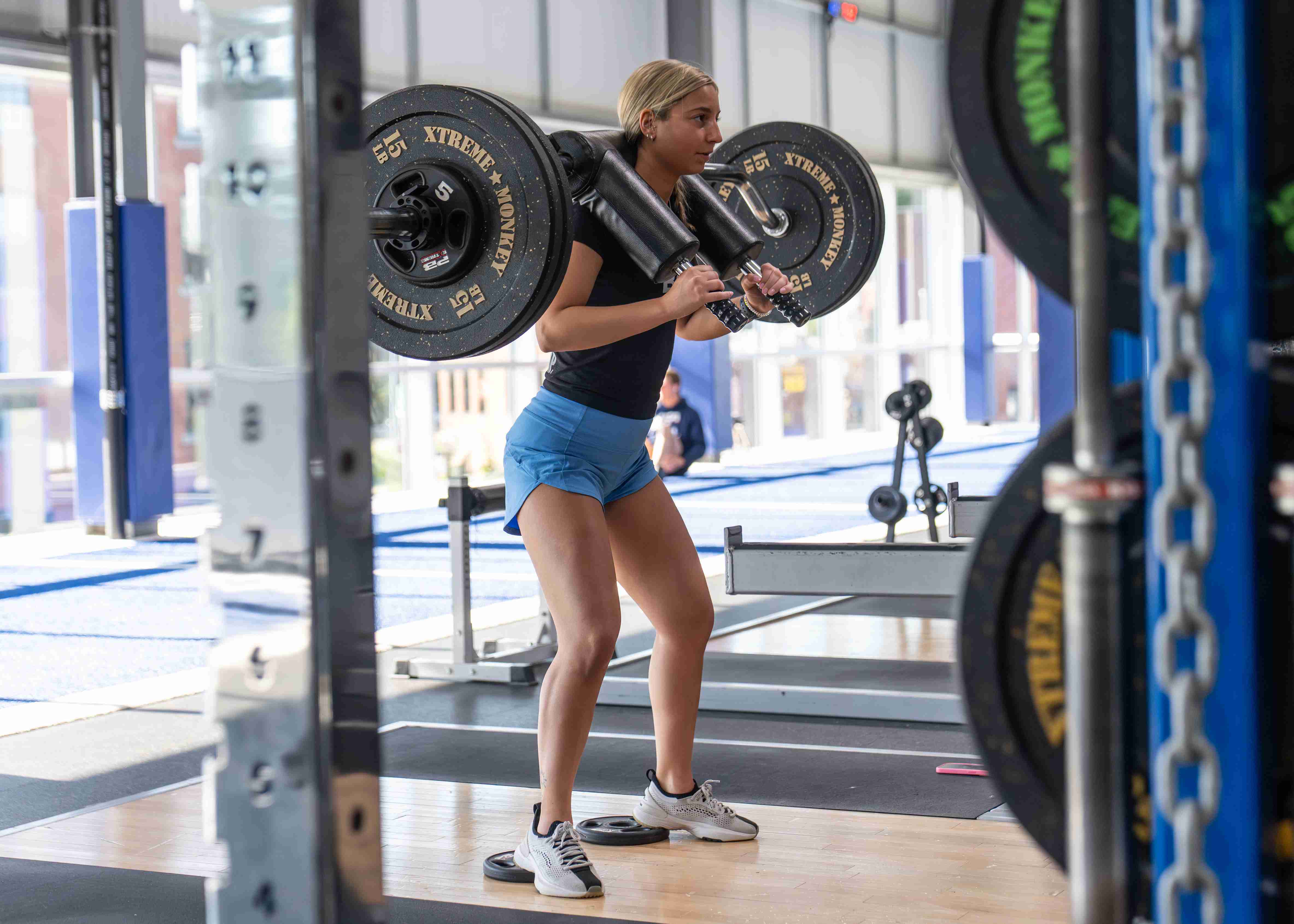
- Strength training
- Plyometrics
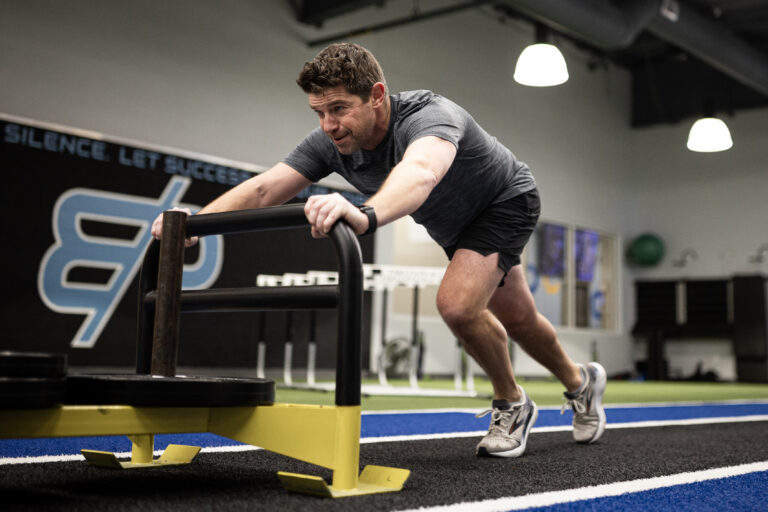
- Speed and agility work
- Deceleration mechanics
- Conditioning
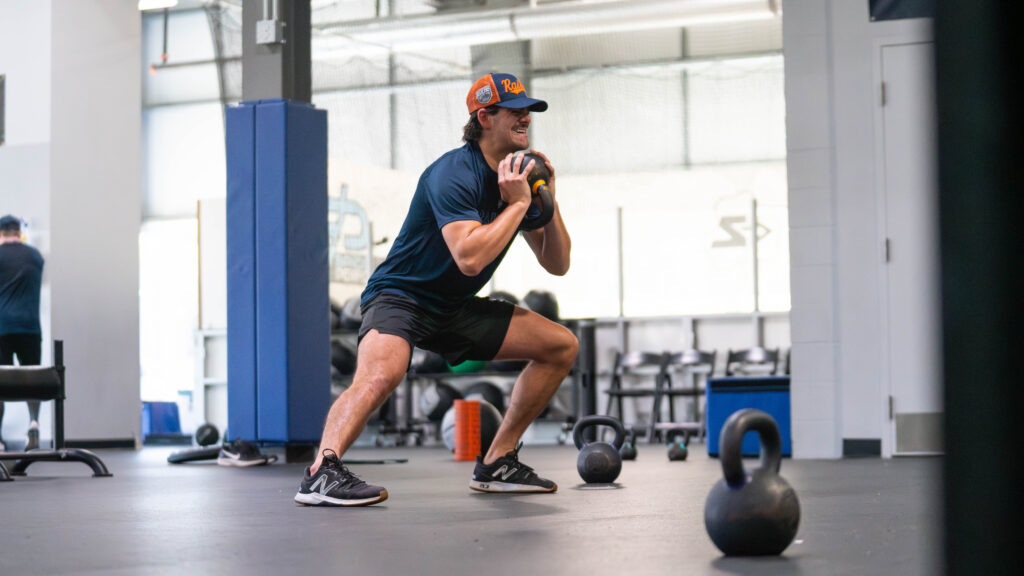
- Sport-specific movement patterns
The focus shifts from healing tissues to restoring athletic performance.
Rebuilding Athletic Movement After Injury

One of the biggest challenges during recovery is that athletes often stop training like athletes for a period of time.
Early rehab is necessarily controlled and repetitive. The focus is usually on reducing pain, restoring basic movement, and rebuilding foundational strength. While that stage is important, sports are unpredictable. Competition demands reaction, coordination, speed, timing, and confidence under pressure.
That transition can feel uncomfortable at first.
Movements that once felt automatic may suddenly require more thought and effort. Athletes may notice themselves hesitating during explosive actions, favoring one side without realizing it, or struggling to regain the rhythm and fluidity they had before the injury.
This is why performance-focused recovery matters so much.
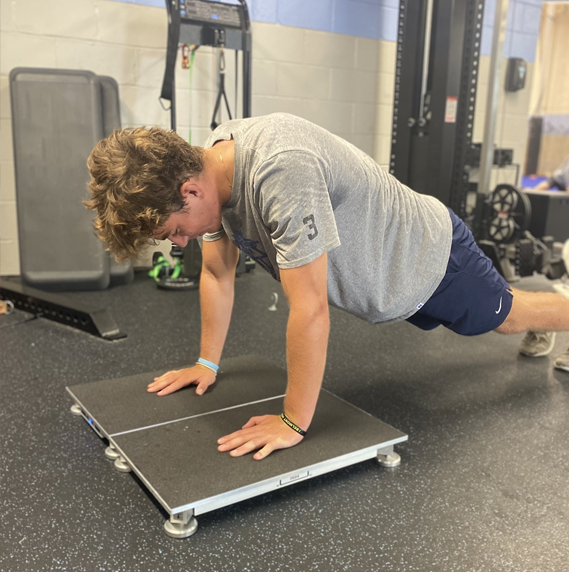
The goal is not just to strengthen the injured area in isolation. It is to help athletes reconnect with the movements their sport demands so they can perform naturally again. That process often includes rebuilding acceleration, deceleration, change of direction, rotational power, balance, and reaction-based movement patterns in a progressive way.
At Bando, this transition is treated as an important phase of development—not simply the final step of rehab.
Why Confidence Matters During Return to Play
Physical recovery is only part of the process. Athletes also need to trust their body again.
That confidence is difficult to rebuild by sitting on a treatment table alone. It often comes from gradually reintroducing challenging movement in a structured environment.
As athletes successfully complete higher-level drills, handle more intensity, and regain strength, confidence usually follows.
This is one reason why progressive return-to-play programs are so valuable.
The Value of Integrated Rehab and Performance Training
When rehab and performance training work together, athletes often recover more smoothly.
Instead of viewing physical therapy as the finish line, it becomes the foundation for rebuilding athleticism.
An integrated approach may help athletes:
- Return with better movement patterns
- Improve long-term durability
- Reduce re-injury risk
- Regain strength and explosiveness
- Feel more prepared mentally and physically
This model is becoming increasingly common in high-level sports because recovery and performance are deeply connected.
What Athletes Should Focus on During the Transition
Athletes in this stage should focus less on rushing timelines and more on rebuilding capacity.
That often means:
- Moving well before moving fast
- Rebuilding strength gradually
- Restoring conditioning
- Improving movement confidence
- Progressing sport demands step by step
The athletes who recover best are usually the ones who stay patient and consistent throughout the process.
FAQs
Is physical therapy enough before returning to sports?
Sometimes, but many athletes also benefit from performance-focused training before full return.
Why do athletes still feel uncomfortable after being cleared?
Strength, movement quality, and confidence often take longer to rebuild than pain relief.
What is return-to-performance training?
It is the transition phase between sports rehab and full athletic competition.
Can performance training reduce re-injury risk?
It can help athletes rebuild strength, movement control, and sport-specific readiness before returning.
Final Thoughts
The end of rehab is not always the end of recovery.
Athletes still need to prepare their bodies for the speed, intensity, and unpredictability of their sport.
Bridging the gap between sports rehab and live performance can help athletes return stronger, move better, and compete with greater confidence than they had before.
At Bando, that transition is a major part of the process—helping athletes move from simply feeling healthy again to performing at the level they expect from themselves.