Every parent who has watched a child compete in athletics knows the particular anxiety that comes with it. It sits somewhere in the background of every game, every practice, every tournament weekend: the awareness that injury is possible, and that when it happens, it doesn’t just hurt the athlete physically in the moment. It disrupts their season, their development, and sometimes their relationship with the sport they have worked so hard at.
Some injuries in youth sports are genuinely unavoidable. Contact injuries, accidents, and the unpredictable nature of competitive athletics mean that no training program or prevention protocol eliminates all risk. Any coach or clinician who tells you otherwise is overselling. But the injuries that most commonly sideline youth athletes, particularly overuse injuries and non-contact events that have become increasingly prevalent in the current youth sports landscape, are not random. They develop predictably, they signal their arrival before they become serious, and a meaningful share of them can be prevented with the right approach to training, recovery, and physical preparation.
For parents trying to understand what responsible, sustainable youth athletics looks like, that distinction matters enormously. The goal is not to protect children from their sport. It is to give them the physical foundation and structural support to stay in it.
Understanding What Kind of Injury You Are Trying to Prevent
Not all youth sports injuries belong in the same conversation. Acute contact injuries (a collision, a fall, an opponent’s elbow) are a part of sports and are mitigated by good protective equipment, well-officiated competition, and baseline physical preparation. They are difficult to prevent at the margins because competition is inherently unpredictable.
Overuse injuries are a different matter. These develop gradually as a result of repetitive stress that accumulates faster than the body can adapt and recover from it. Patellar tendinopathy, stress fractures, shoulder impingement, shin splints, and growth plate stress injuries all fall into this category. They are not accidents. They are the predictable result of load that exceeds capacity, sustained long enough without adequate recovery.
The share of youth sports injuries attributable to overuse has grown substantially as youth athletics has become more organized, more year-round, and more specialized at younger ages. These are precisely the injuries that better preparation, smarter programming, and earlier intervention can address. They are where the prevention conversation is most worth having.
The Early Specialization Problem
One of the most significant risk factors for overuse injuries in youth athletes is something that has become normalized in competitive youth sports: specializing in a single sport before mid-adolescence and training in that sport year-round without a meaningful break.
The sports medicine and performance communities have been broadly aligned on this issue for years. Early specialization before roughly age 13 to 14 is associated with higher rates of overuse injury, burnout, and dropping out of sports altogether compared to multi-sport participation. The developing body benefits from varied movement patterns, exposure to different physical demands, and genuine off-seasons that allow accumulated stress to dissipate and tissues to fully recover. Year-round single-sport training at high volumes denies young athletes all three.
This does not mean specialization is inherently wrong, or that every child who plays one sport year-round will get hurt. It means the risk profile is different and worth managing intentionally. For athletes already deeply invested in a single sport, the practical implication is not necessarily switching sports. It is building genuine recovery periods into the calendar, supplementing sport-specific training with broader physical development, and resisting the pressure to treat the off-season as an extension of the competitive season.
Load Management: The Most Underappreciated Prevention Tool
If there is one concept that separates the way sports medicine professionals think about overuse injuries from the way most parents and coaches think about them, it is load management. Overuse injuries are, almost by definition, a problem of load exceeding capacity. The body was asked to handle more than it was prepared for, repeatedly, without enough recovery in between.
Load in this context means more than just hours of practice. It includes the intensity of training sessions, the frequency of competition, travel and sleep disruption, growth spurts that temporarily alter the mechanics of load absorption, and the general stress of school and adolescent life. All of these factors contribute to how much the body has left to give on any given day, and they interact with one another in ways that a simple practice schedule does not capture.
A few practical principles tend to reduce overuse injury risk meaningfully. Rapid spikes in training volume from one week to the next are a well-documented precursor to overuse injuries across virtually every sport and age group. Gradual increases in practice hours, game frequency, and training intensity give the body time to adapt rather than accumulate damage. Rest days within the week and rest weeks within the season are not signs of insufficient commitment. They are when adaptation happens. An athlete who trains seven days a week without a recovery day is not developing faster. They are recovering slower, which produces the same problem over time.
Strength Training as a Foundation for Injury Prevention
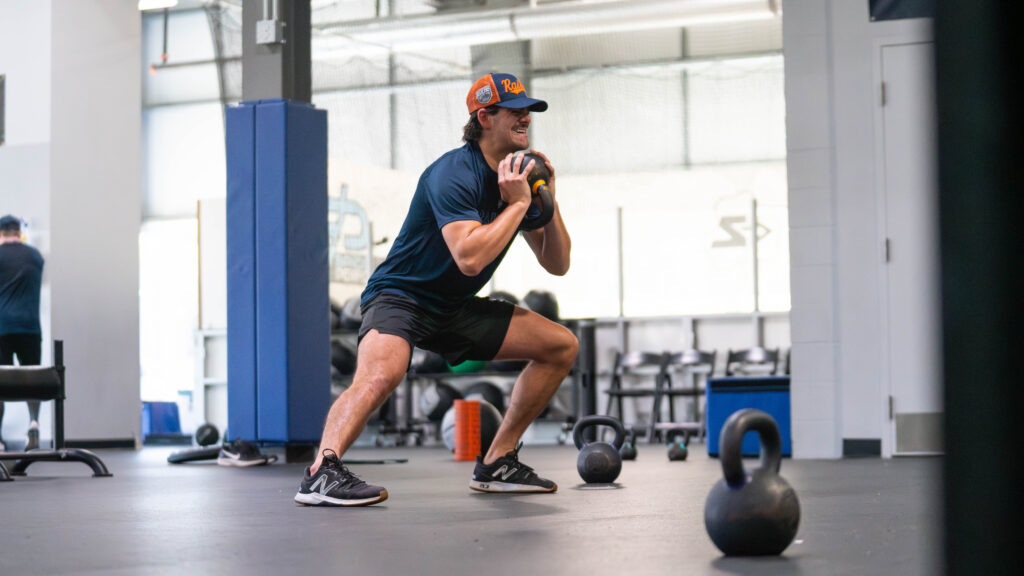
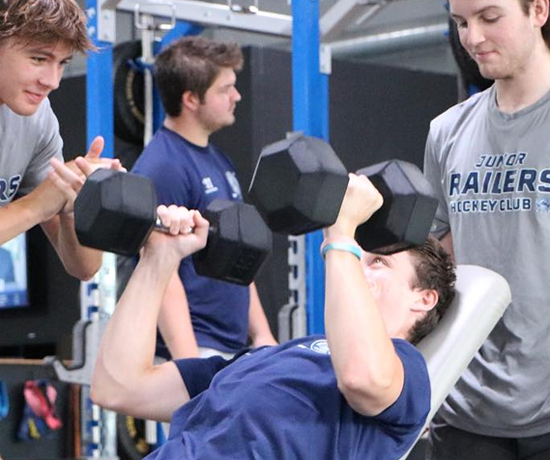
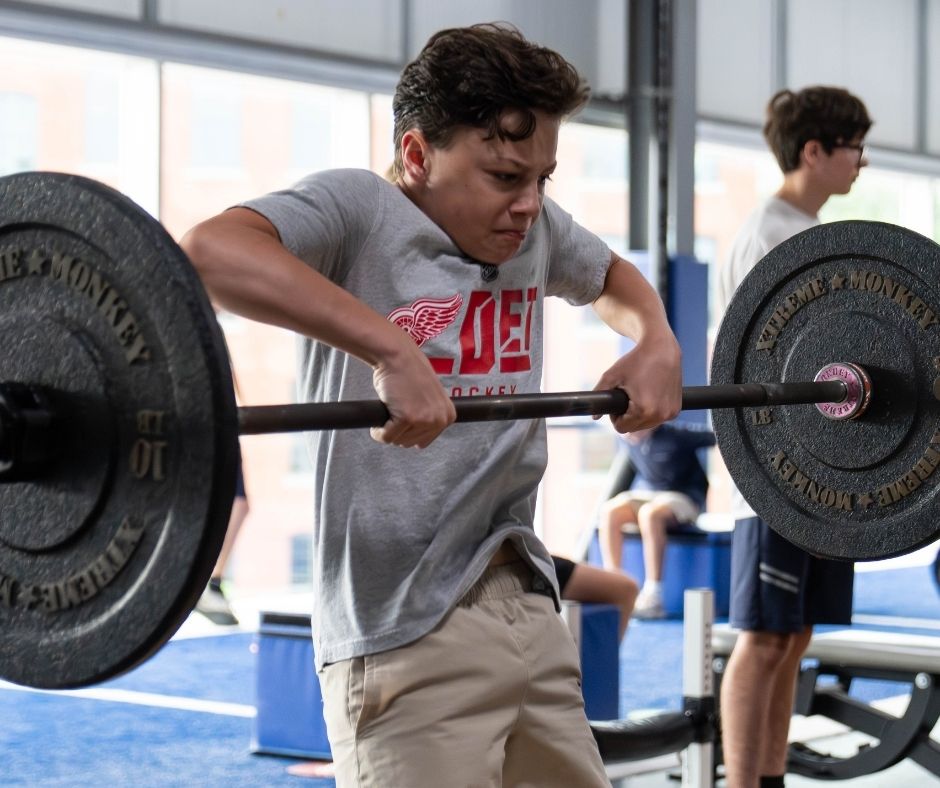
The single most actionable, evidence-supported thing a youth athlete can do to reduce injury risk is participate in a well-designed strength training program. This surprises some parents, who associate weight training with performance goals rather than health ones, but the mechanisms are straightforward. Stronger muscles protect joints. Better neuromuscular control produces cleaner movement mechanics under fatigue. Progressive loading builds tissue resilience, the capacity of tendons and ligaments to absorb and recover from repetitive stress. All of these qualities are trainable, and all of them directly reduce the conditions that produce the most common youth sports injuries.
Landing mechanics, deceleration patterns, and single-leg stability, qualities that strength training develops deliberately, are among the most reliable predictors of non-contact lower extremity injury risk. Athletes who train these qualities are operating with a wider margin between their current capacity and the demands their sport places on them. That margin is where injury prevention lives.
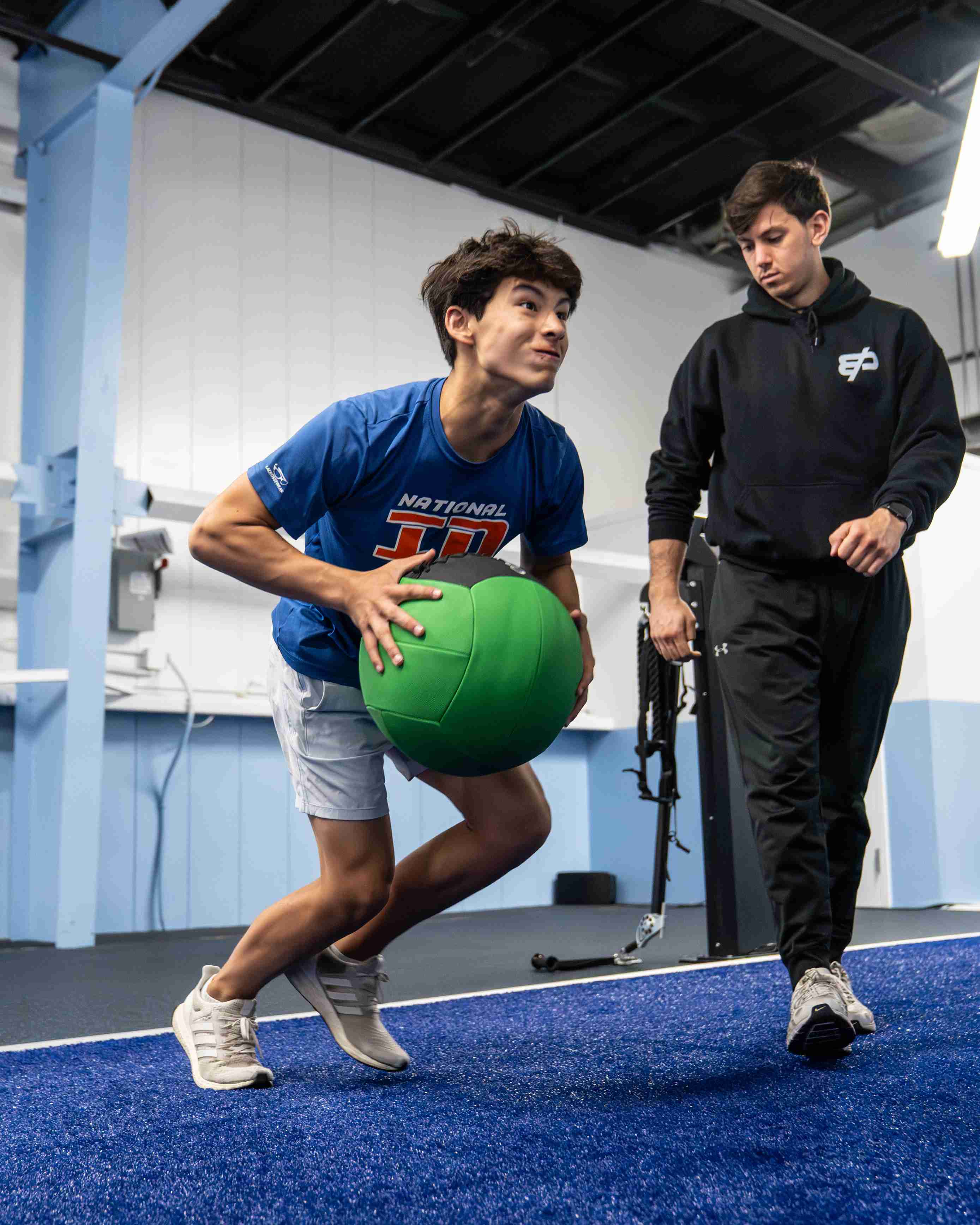
Age-appropriate strength programming for younger athletes looks different from what a high school junior does in the weight room. For athletes in the 10 to 13 age range, the emphasis belongs on movement quality, foundational patterns, and consistency rather than load. Two well-supervised sessions per week at this stage build the physical and neurological foundation that makes more demanding training safer and more productive later.
Movement Screening: Finding Problems Before They Become Injuries
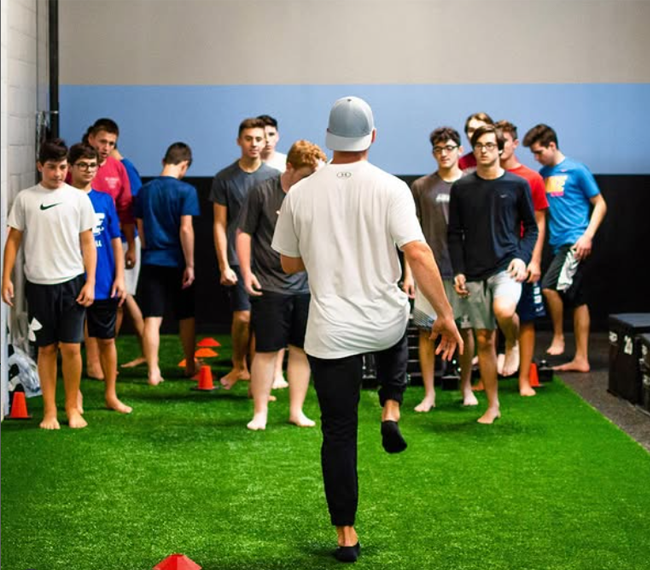
A meaningful number of the physical limitations that eventually produce injuries are identifiable before the athlete feels any pain. Strength asymmetries between sides, restricted hip or ankle mobility, poor single-leg stability, and compensation patterns that develop quietly over years of sport-specific movement are all things a structured movement assessment can surface.
The value of catching these issues early is straightforward. A mobility restriction identified before the season is a training priority. The same restriction discovered after it has contributed to a knee injury is a recovery problem. Athletes who get screened at the beginning of a season, after returning from injury, or when transitioning between training phases are better positioned to address vulnerabilities before they become urgent.
For parents wondering where to start, a movement assessment is often the most useful first step in building a prevention-focused training plan. It replaces guesswork with a specific picture of what an individual athlete actually needs, which makes every subsequent training decision more targeted and more effective.
Recovery Is Not Optional
Youth athletes are often better at training hard than recovering well, and the adults around them frequently reinforce that imbalance. Practice attendance is tracked. Rest days are sometimes treated as missed opportunities. Sleep gets sacrificed to homework, screens, and the noise of adolescent life.
From a physiological standpoint, this matters more than most people realize. Strength, speed, and physical resilience are not built during training sessions. They are built during recovery from them. Sleep in particular is when the body does the majority of its repair and adaptation work. Youth athletes who consistently sleep fewer than eight to nine hours per night are not just tired; they are limiting the return on every training session they complete.
Nutrition relative to training demand is similarly underappreciated. Young athletes who are underfueled relative to their training load are not just at risk for poor performance. They are at elevated risk for stress fractures and the kind of accumulated fatigue that makes soft tissue injuries more likely. Fueling adequately around training is a health issue, not just a performance one.
Recognizing Warning Signs Early
One of the most valuable things parents can do is learn to distinguish between normal post-training soreness and pain that warrants attention. Muscle soreness that develops 24 to 48 hours after a session, spreads across a muscle group, and resolves within a few days is a normal training response. Pain that is localized to a specific joint or tendon, that worsens during activity, that persists for more than a week, or that shows up consistently at the same point in training is worth evaluating.
Behavioral signals matter too. An athlete who stops performing certain movements they used to do without hesitation, who begins favoring one side without explanation, or who becomes reluctant to participate in activities they previously enjoyed may be managing pain they have not reported. Young athletes are often reluctant to flag discomfort for fear of being held out of competition. Creating an environment where early disclosure is encouraged and treated as responsible rather than soft is one of the most practical things a parent or coach can do.
The cost of addressing a concern at the first sign is almost always lower than addressing it after it has progressed. A week of modified training to evaluate a nagging knee is far less disruptive than six weeks of rehabilitation from ignoring it long enough for the situation to worsen.
The Role of Qualified Coaching and Professional Support
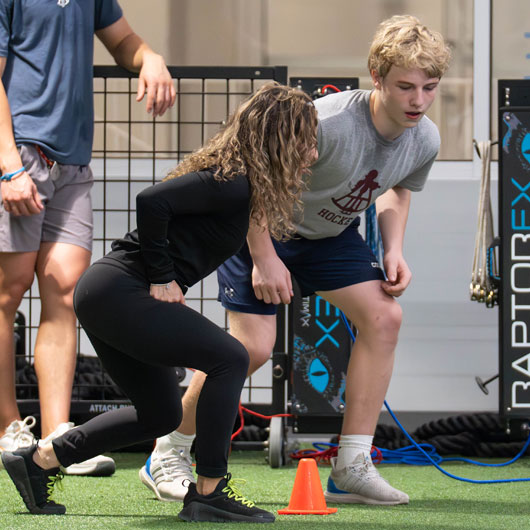
Technique is an injury prevention variable that does not always get the credit it deserves. An athlete who repeatedly performs high-stress movements with poor mechanics is accumulating injury risk with every repetition. Landing with the knees caving inward, sprinting with a heel strike, throwing with an arm-dominant pattern that bypasses the core and hips: these are not just inefficient. They are predictable precursors to specific injuries. Qualified coaches who understand movement and can identify and correct these patterns are doing injury prevention work even when that is not explicitly the goal.
Knowing when to bring in a physical therapist or performance specialist is equally important. A PT who practices with a performance lens does not just treat injuries; they evaluate movement, identify risk factors, and build programming that addresses them before they become clinical problems. For athletes in demanding training environments, that kind of professional involvement is not a luxury. It is part of a rational approach to keeping an athlete healthy across a long career.
At Bando Performance, physical therapy and performance training are integrated by design. Parents and athletes in the greater Boston and Metro West area have access to a team that can assess movement, design prevention-focused programming, and respond to early warning signs before they require significant recovery time. The goal is never to treat the problem after it has developed. It is to build the physical foundation that keeps it from developing in the first place.
FAQs
What is the most common sports injury in youth athletes?
Overuse injuries collectively represent the largest category of youth sports injuries, with sprains, strains, and growth plate stress injuries among the most frequently occurring. The specific distribution varies by sport: knee injuries are common in basketball and soccer, shoulder and elbow injuries in baseball and softball, and stress fractures in running-heavy sports. The shared thread across most of them is that they develop gradually rather than suddenly, and they respond well to early intervention.
At what age do youth sports injuries peak?
Injury rates tend to increase during adolescence, particularly during periods of rapid growth when the musculoskeletal system is under additional stress. Growth spurts temporarily alter an athlete’s mechanics and load tolerance, and the mismatch between increasing sport demands and a body that is still developing creates genuine vulnerability. This is one of the reasons that structured strength training and movement screening are particularly valuable during the middle and high school years.
Is sport specialization bad for young athletes?
Early specialization before mid-adolescence carries documented risks, including higher rates of overuse injury and burnout. Multi-sport participation through early adolescence is broadly supported as protective by sports medicine and performance communities. The concern is specifically with early, high-volume, year-round specialization without adequate recovery, not with eventual focus on a primary sport. Athletes who specialize later, maintain genuine off-seasons, and supplement sport-specific training with broader athletic development can manage the risk profile more effectively.
How much rest does a youth athlete need between seasons?
Most sports medicine guidance suggests at least one to two months away from a specific sport each year, during which the athlete is not participating in organized practice or competition in that sport. This does not mean complete inactivity; cross-training, recreational activity, and general strength work are all appropriate during this period. The goal is to break the repetitive stress cycle, allow accumulated micro-damage to fully resolve, and give the athlete psychological space to return to their primary sport motivated and fresh.
Final Thoughts
The goal of youth sports is not just athletic achievement. It is the development of capable, confident young people who carry a healthy relationship with physical activity forward into their adult lives. Injuries that accumulate during the formative years of athletic development can disrupt that arc in ways that go well beyond a missed season.
The good news is that the most preventable injuries in youth athletics respond well to the same things that make athletes better: strength training, smart load management, qualified coaching, adequate recovery, and professional guidance when the body gives early signals that something needs attention. Prevention and development are not separate tracks. They are the same investment, made consistently over time.
If you are looking for support in keeping your athlete healthy and developing well, Bando Performance’s integrated approach to physical therapy and performance training is designed to help with exactly that.