For most athletes, injuries come with two timelines.
The first is the actual healing process. The second is the one athletes create in their own heads.
That second timeline usually sounds something like this: I need to be back before playoffs. I need to be ready for camp. I can’t lose my starting spot. I can’t miss my recruiting window.
That urgency is understandable. Sports move fast, and injuries can make athletes feel like they’re falling behind while everyone else keeps moving forward.
But here’s the reality: returning too soon rarely helps athletes catch up. In many cases, it creates setbacks that keep them out even longer.
The good news is that an injury does not automatically put your progress on hold forever. With the right rehab plan, smart strength work, and a structured return-to-play process, many athletes come back feeling stronger, more confident, and more prepared than they were before they got hurt.
The key is knowing when your body is truly ready.
Healing and Performance Are Not the Same Thing
One of the biggest mistakes athletes make is assuming that feeling better means they are fully recovered.
Pain often improves before performance does.
An athlete may be able to walk without discomfort, jog lightly, or complete basic exercises and assume they’re ready for full competition. But sports demand much more than everyday movement. Cutting, jumping, sprinting, changing direction, absorbing contact, and reacting under fatigue all place stress on the body in ways basic rehab exercises may not.
That gap between “I feel okay” and “I’m ready to compete” is where many athletes experience setbacks.
Safe returns happen when athletes rebuild the physical qualities their sport requires—not just when symptoms calm down.
Why Some Athletes Return Too Early
Injured athletes often feel pressure from multiple directions.
They may want to help their team. Parents may be anxious about missed seasons. Coaches may be asking for updates. Recruiting opportunities may feel time-sensitive.
Even without outside pressure, athletes often place unrealistic expectations on themselves because they’re used to pushing through discomfort.
That mindset can be valuable during training.
It can become dangerous during recovery.
Ignoring timelines, skipping rehab phases, or rushing back before the body is prepared often leads to recurring injuries, compensation issues, and frustration.
Taking recovery seriously now can protect the rest of your season—and sometimes your long-term career.
What Returning Safely Actually Looks Like
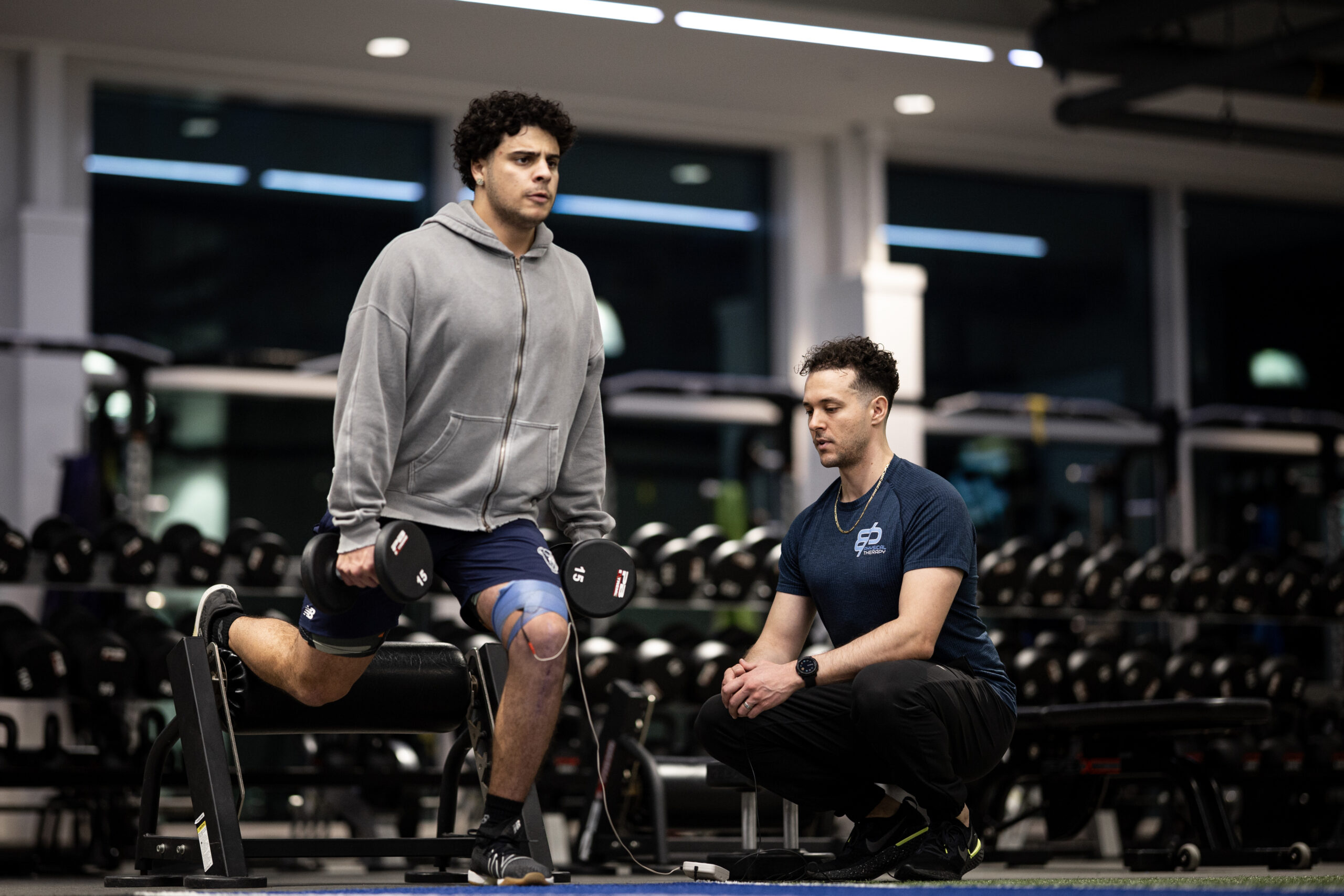
A safe return to sport usually happens in stages.
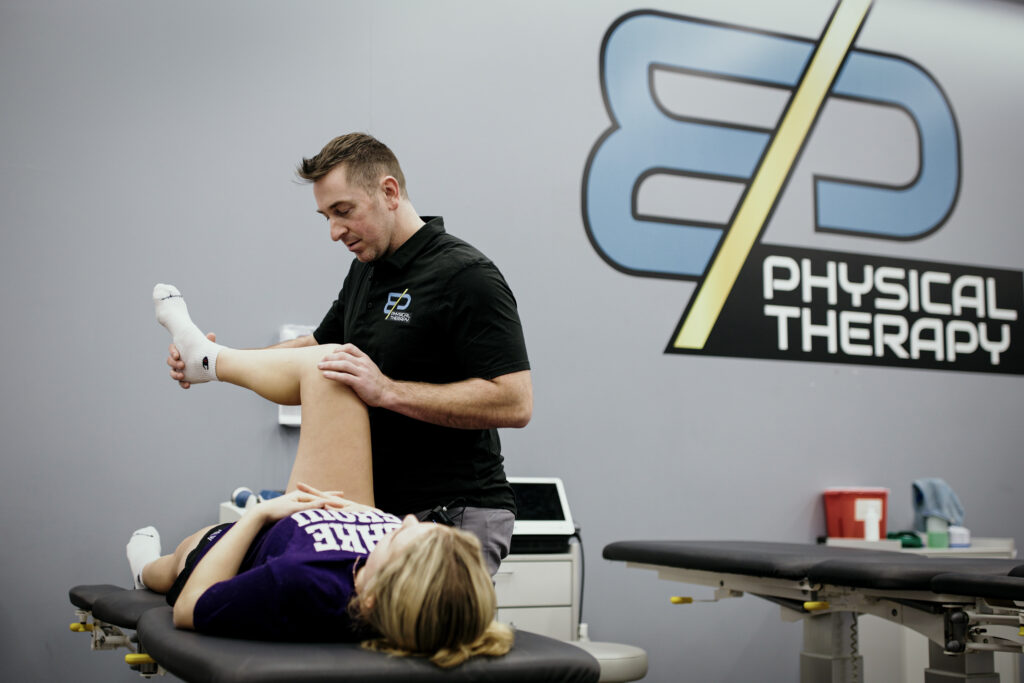
First, the injured area needs to heal properly. Then athletes begin restoring mobility, rebuilding strength, and improving stability. Eventually, rehab becomes more sport-specific.
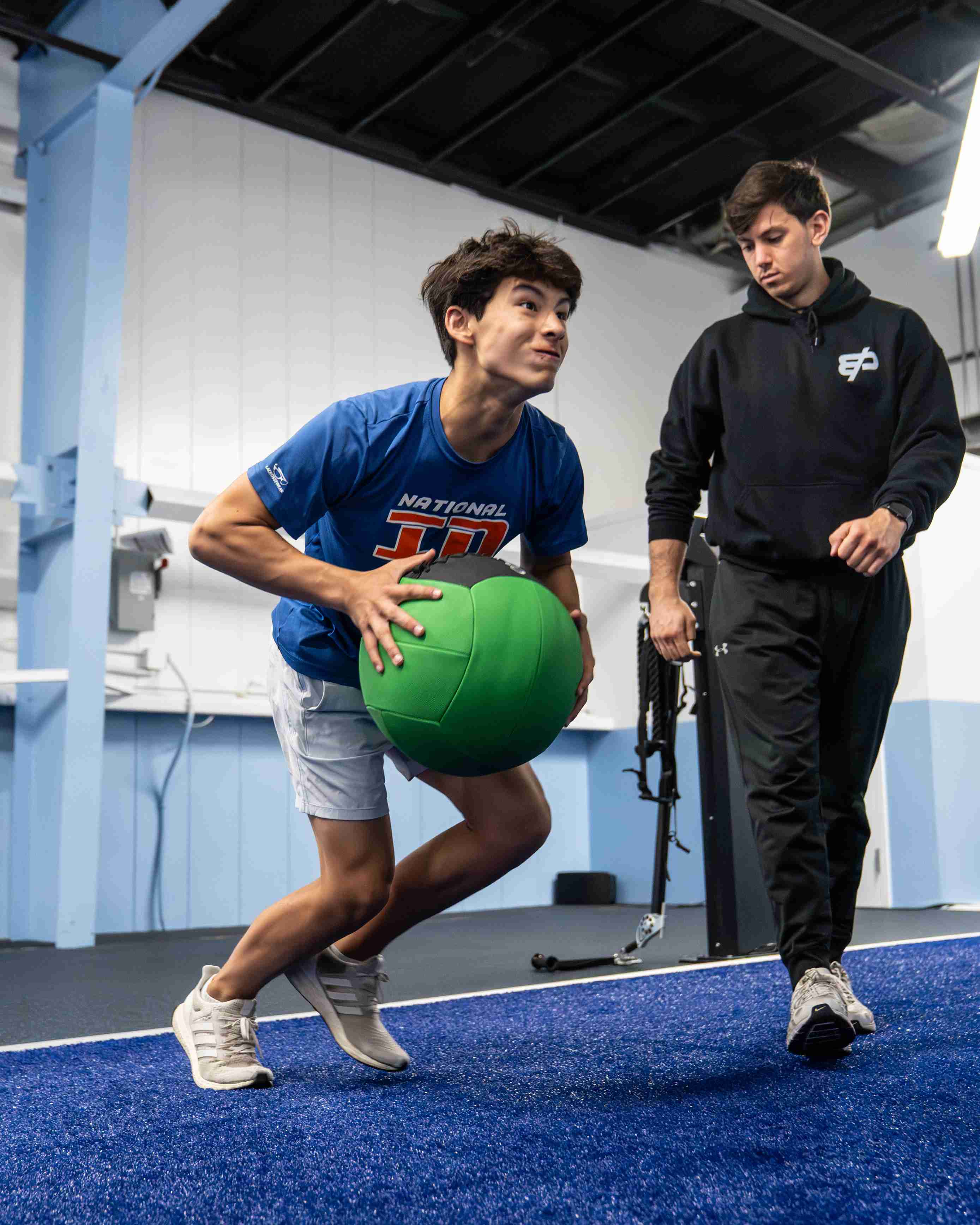
That may include running progressions, jumping mechanics, agility drills, rotational movement, or contact preparation depending on the sport.
A soccer player may need to feel confident cutting at full speed.
A baseball player may need to throw without pain.
A basketball player may need to trust their body landing in traffic.
A football player may need to handle explosive movements and contact again.
Every sport asks something different from the body, which is why return timelines should never be one-size-fits-all.
Confidence Matters More Than People Realize
Even when athletes are physically cleared, mental readiness can take longer.
Some athletes hesitate during movements they used to perform naturally. Others may avoid contact, second-guess their body, or worry about getting hurt again.
That response is completely normal.
Confidence often returns through repetition.
When athletes gradually rebuild strength and reintroduce sport-specific movement in a controlled setting, trust in their body starts to come back.
That confidence is a major part of performing well again.
The Athletes Who Recover Best Stay Focused on What They Can Control
Injuries can make athletes feel powerless.
The healthiest response is shifting your focus toward what you can improve during recovery.
Many athletes use injury rehab as an opportunity to improve flexibility, fix movement issues, build better habits, and address weaknesses they may have ignored while healthy.
This is often why athletes say they came back stronger after an injury. Recovery forced them to train smarter.
At Bando, this is a major focus of the return-to-play process. The goal is not simply getting athletes back on the field as quickly as possible—it is helping them return prepared to perform.
How to Know When You’re Truly Ready to Return to Sport After Injury
There is no universal timeline on how long it takes to return from an injury.
To return safely, athletes should feel confident that they can move at full speed, perform sport-specific actions, and handle physical demands without pain, hesitation, or compensation.
That process often moves faster—and feels far less stressful—when athletes work with professionals who understand both rehabilitation and performance training.
Final Thoughts
An injury can feel like a major interruption, but it does not have to define your athletic career.
Many athletes return stronger because they treat recovery as part of development rather than time lost.
Be patient with the process. Trust the work. Focus on getting back the right way.
Your sport will still be there when your body is ready for it—and when you return prepared, you give yourself a much better chance of staying there.