Getting medically cleared after a sports injury feels like the moment everything goes back to normal. The doctor or physical therapist signs off. The pain is manageable. The timeline you were given has run its course. Technically, you are allowed to play again.
But allowed to play and ready to play are two different things. And the gap between them is where a lot of athletes get into trouble.
Return to play training exists specifically to close that gap. It is the structured process that takes athletes from medical clearance to full athletic readiness, using progressive training, objective performance benchmarks, and sport-specific preparation to make sure the body can handle what competition actually demands.
This post explains what a return to play program involves, how the process works, and why athletes who skip it tend to find themselves right back where they started.
What Is Return to Play Training?
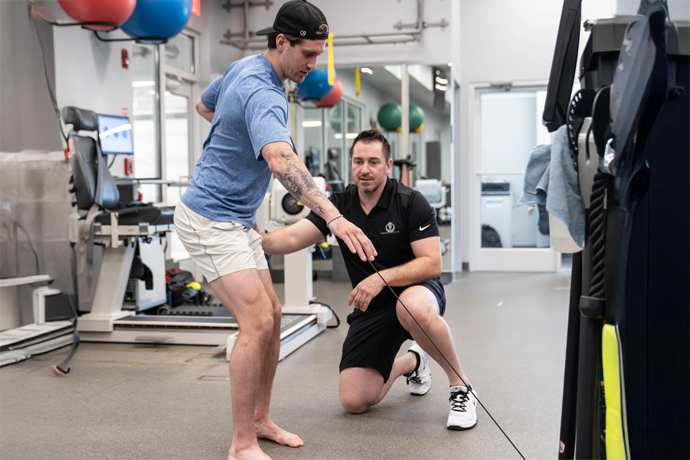
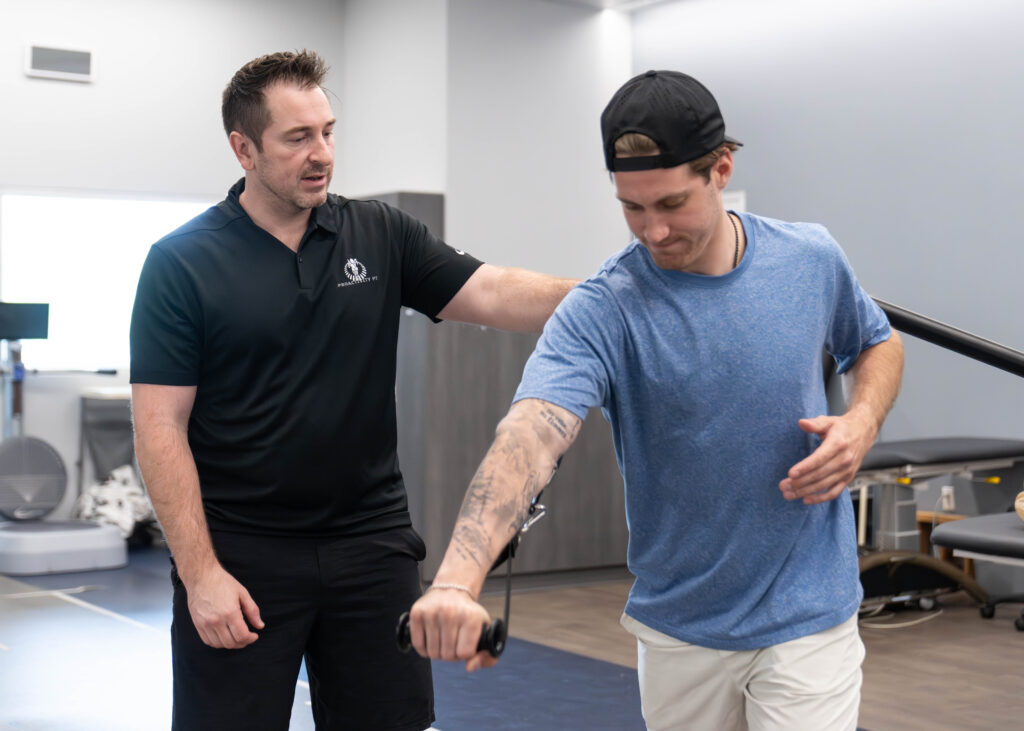
Return to play training is a structured, progressive program designed to prepare an injured athlete for the full physical demands of their sport. It begins where standard rehabilitation ends and continues until the athlete can demonstrate the strength, movement quality, and sport-specific capacity their position requires.
The terms return to play, return to sport, and return to performance are often used interchangeably. In practice, they describe the same general process: rebuilding an athlete’s readiness to compete after injury, not just their ability to move without pain.
Medical clearance is a legal and clinical judgment. Return to play readiness is a performance judgment. Both matter, but they measure different things. An athlete can be cleared to participate based on symptom resolution and still lack the strength, coordination, and conditioning their sport requires. A return to play program addresses what medical clearance alone does not.
Why the Gap Between Clearance and Readiness Matters
Sports place demands on the body that daily life and a physical therapy clinic simply do not replicate. Sprinting at full speed, planting and cutting, absorbing contact, jumping and landing repeatedly under fatigue: these are the conditions an athlete will face on the first day back, regardless of how controlled their recovery environment was.
An athlete who returns without rebuilding the capacity to handle those demands is not just at risk of underperforming. They are at meaningful risk of re-injury, often at the same site or in a structure that was compensating for the original weakness.
Re-injuries tend to be more serious than the first incident. Recovery takes longer, the psychological toll is higher, and in some cases the window for full return narrows significantly. The most effective way to avoid that outcome is to not skip the step that prevents it.
The Phases of a Return to Play Program
A well-designed return to play program moves through progressive phases, each building on the last. The transitions between phases are driven by what the athlete can demonstrably do, not by how many weeks have passed.
Phase 1: Restore Baseline Function
The first phase overlaps with traditional rehabilitation. The priorities are pain management, restoring range of motion, reducing inflammation, and rebuilding foundational strength around the injured area. This is necessary groundwork, but it is not the destination.
Phase 2: Rebuild Athletic Capacity
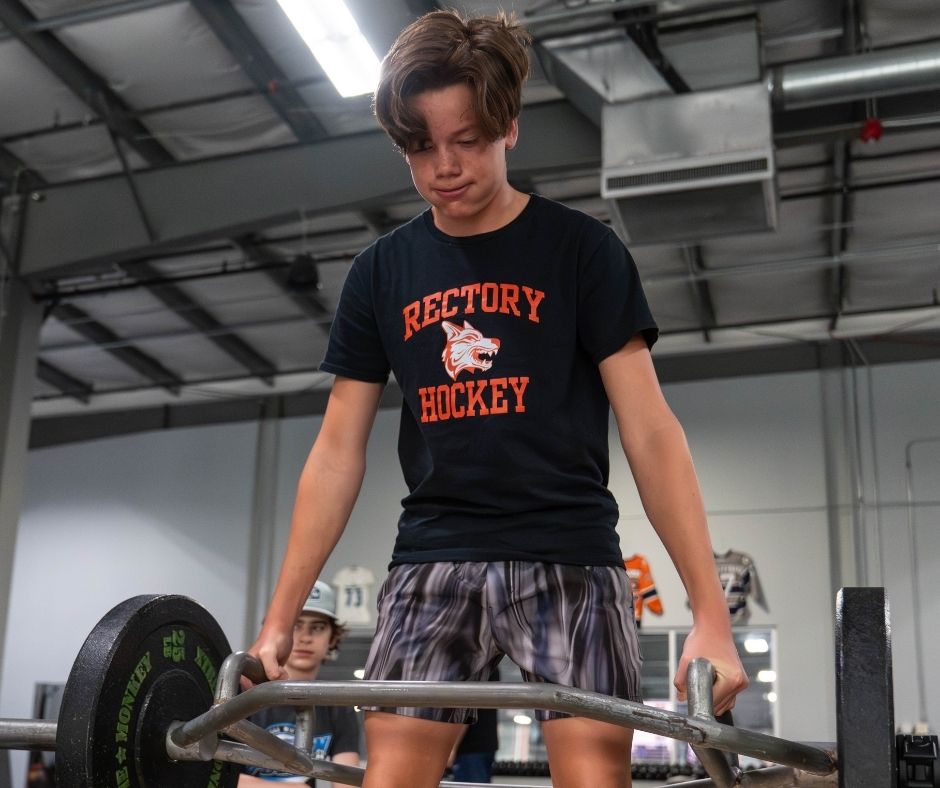
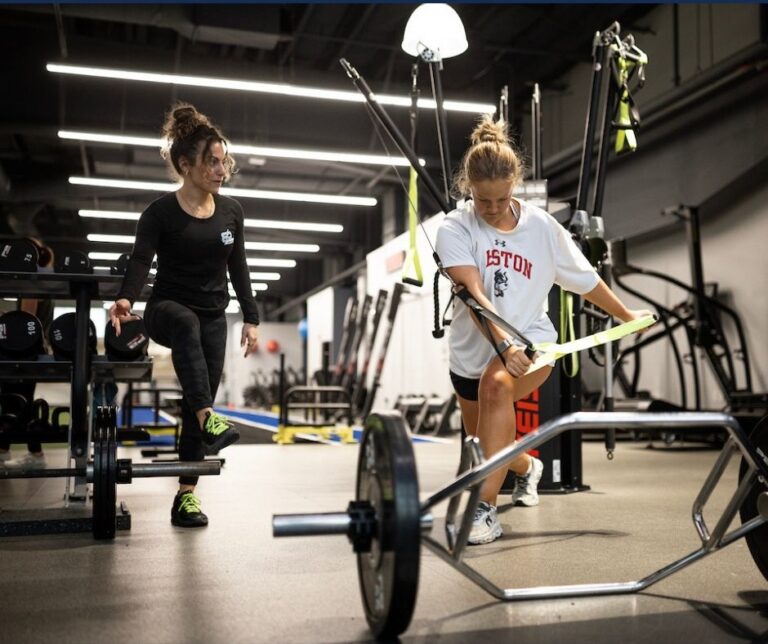
Once basic function is restored, the work shifts toward rebuilding the physical qualities sport demands. Progressive strength training, eccentric loading, single-leg stability, power development, and neuromuscular control all become central. The athlete is no longer just healing. They are training.
Phase 3: Reintroduce Sport-Specific Demands
This is the phase most athletes are eager to reach and most prone to rushing. Running progressions, agility and deceleration work, sport-specific movement patterns, and position-relevant drills are reintroduced gradually. The goal is not to simulate a game. It is to expose the body to increasingly game-like demands in a controlled environment where the athlete and their coach can monitor what is working and what is not.
Phase 4: Full Return
The final phase bridges structured return to play training and unrestricted competition. Athletes typically progress through individual practice, team practice without contact, controlled scrimmage, and then full competition. Movement quality, pain response, and confidence are all assessed throughout. Clearance at this stage is earned, not assumed.
It is worth noting that these phases are not perfectly linear. Athletes may revisit earlier work if symptoms resurface or performance benchmarks are not met. The program responds to the athlete, not the other way around.
What Return to Play Testing Actually Looks Like
Criteria-based return to play decisions are more reliable than calendar-based ones. Rather than clearing an athlete after a fixed number of weeks, a quality program uses objective testing to determine readiness.
Common benchmarks include:
- Strength symmetry testing, measuring the difference in output between the injured and uninjured sides
- Hop and jump tests that assess single-leg power, stability, and confidence under dynamic load
- Functional movement assessments evaluating mechanics during sport-relevant patterns
- Sprint and agility benchmarks appropriate to the athlete’s position and sport
- Psychological readiness assessment, including the athlete’s reported confidence during reactive and contact situations
No single test captures the full picture, which is why the best programs use a combination of measures. An athlete who passes strength symmetry testing but hesitates visibly during cutting drills is not ready. An athlete who moves confidently and hits the performance benchmarks their sport requires is.
How Return to Play Training Differs by Sport
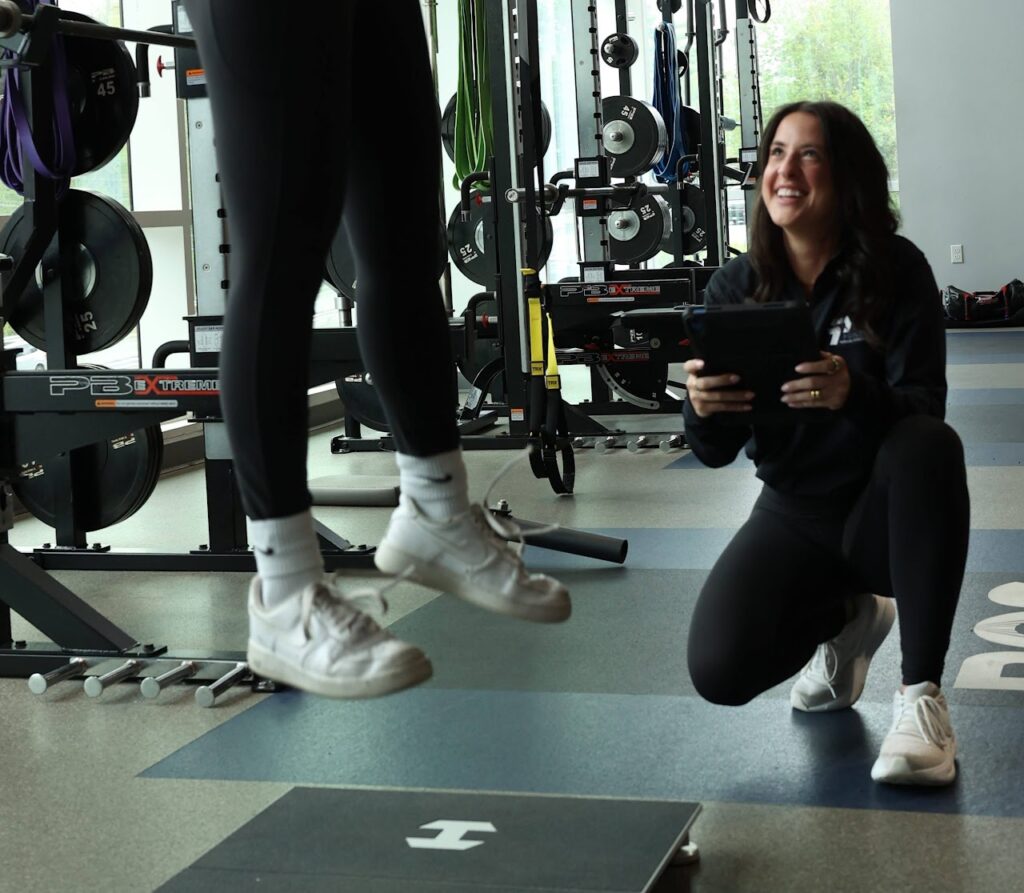
What an athlete needs to demonstrate before returning depends significantly on what their sport demands from them. A thoughtful program is built around that reality, not around a generic template.
Soccer and Field Sports
Field sport athletes need high-speed running capacity, the ability to cut and change direction under load, and the confidence to compete in aerial duels and physical challenges. Return to play progressions for these athletes emphasize sprint mechanics, deceleration, lateral movement, and gradual reintroduction of contact and collision scenarios.
Basketball
Basketball places significant stress on the ankles, knees, and hips through repeated jumping, landing, and lateral movement. Single-leg strength and stability, landing mechanics, and the ability to absorb and redirect force are the core readiness markers for returning basketball players. Contact readiness and the psychological component of competing in traffic are also meaningfully addressed before full clearance.
Baseball and Overhead Sports
Throwing athletes require a structured throwing progression alongside their physical rehabilitation. Rotational power, shoulder and scapular stability, and hip mobility are all evaluated before return. The shoulder and elbow are load-sensitive structures, and a poorly managed return to throwing puts both at risk. For these athletes, sport-specific readiness testing is especially important.
Football
Football athletes face the broadest physical demands of any team sport: explosive acceleration, full-body contact, sustained effort across a long game. Return to play programs for football players must account for contact tolerance, positional conditioning, and the mental readiness to compete in a physically aggressive environment. These athletes often benefit from a longer return to play process than athletes in non-contact sports.
Multi-Sport Athletes
Athletes who play multiple sports present a particular challenge because the demands of each sport differ. The return to play goal for multi-sport athletes is often general athletic readiness: the strength, movement quality, and physical resilience that transfer across everything they play. Building that foundation well serves the athlete regardless of which sport they return to first.
The Mental Side of Coming Back
Physical readiness and psychological readiness are not the same thing, and a return to play program that addresses only one of them is incomplete.
Athletes who are physically cleared but mentally hesitant often compensate during dynamic movements without realizing it. They favor the uninjured side, hesitate during explosive actions, or pull back in contact situations. Those compensations do not just affect performance. They can create the conditions for a new injury in a structure that was not designed to absorb that extra load.
Rebuilding confidence is not primarily a psychological exercise. It is a physical one. Athletes regain trust in their body through progressive exposure to challenging movement in a controlled setting. Each successful sprint, each clean cut, each landing that feels normal chips away at the hesitation. A well-structured program builds that exposure deliberately, not as an afterthought.
What Return to Play Training Is Not
It is worth being clear about what a return to play program is not, because the term is used loosely and the concept is sometimes misunderstood.
It is not rest followed by jumping back into practice. Rest has a role in early recovery, but passive rest does not rebuild the strength, power, and coordination that competition requires. Athletes who stop structured work once pain subsides and assume they will regain fitness through sport participation usually do not recover as fully or as safely as those who follow a structured program.
It is not a generic gym program. General fitness training has value, but return to play programming is specific. It is built around the athlete’s injury, their sport, their position, and where their physical capacity currently stands relative to where it needs to be.
It is not finished when pain goes away. Pain resolution is the beginning of the process, not the end of it.
And it is not the same as a long-term maintenance training plan. Return to play training has a defined arc: it starts at injury and ends when the athlete is genuinely prepared to compete without restriction. What happens after that is a different conversation.
How Bando Approaches Return to Play Training
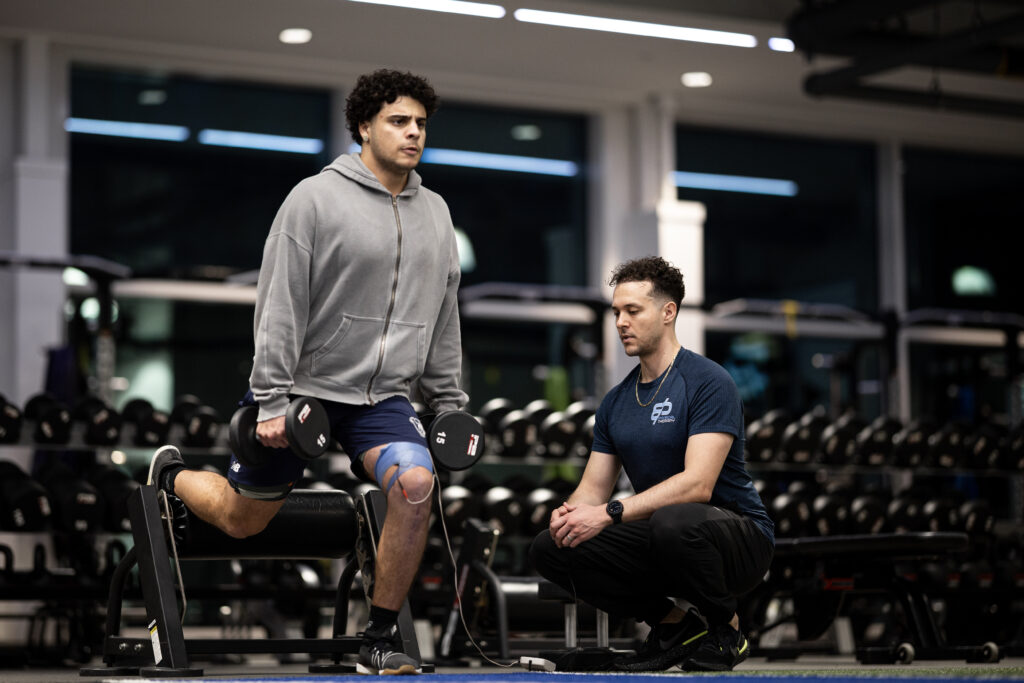
At Bando Performance, return to play training is not a separate service that begins after physical therapy ends. It is part of the same continuous process.
Because our physical therapists and performance coaches work with the same athletes under the same roof, return to play criteria are built into the recovery plan from day one. Athletes and parents know what the benchmarks are, not just what the calendar says. Progress is measured against objective standards throughout, so the decision to return is based on what the athlete can do rather than how much time has passed.
Our multi-sport focus means that programming at Bando is built around the specific demands of each athlete’s sport and position. A soccer player and a baseball pitcher may share a rehab phase, but their return to play progressions look meaningfully different because the sports ask very different things from the body.
For athletes in the greater Boston and Metro West area who are working back from injury, the goal at Bando is not just to get them back on the field. It is to get them back prepared to compete at the level they expect from themselves.
FAQs
How long does return to play training take?
Duration depends on the injury, the sport, and the athlete’s physical status when they begin. A mild ankle sprain may involve a few weeks of structured return to play work. A post-surgical ACL reconstruction may require six months or more before full competition. The better measure is not time but readiness: a good program gives athletes clear benchmarks so they know exactly what they are working toward.
Who designs a return to play program?
Ideally, a return to play program is designed collaboratively by a physical therapist with sport-specific experience and a performance coach who understands the athletic demands involved. Facilities that integrate both disciplines under one roof generally produce more seamless outcomes because the handoff between rehab and performance training does not create a gap in care.
Can I do return to play training on my own?
Some athletes do manage their own return successfully, particularly those with strong training backgrounds, prior return to sport experience, and minor injuries. For most athletes, however, the value of supervised return to play training is not just the programming itself. It is the external feedback, objective testing, and accountability that a qualified provider brings to the process. The stakes are high enough that professional guidance is generally worth it.
What happens if I skip return to play training?
Athletes who return to sport without completing a structured return to play process are at meaningfully higher risk for re-injury, compensatory injuries, and performance deficits that can linger for months. In the worst cases, skipping this phase turns a manageable recovery into a much longer one. The time invested in doing it right is almost always less than the time lost to a setback.