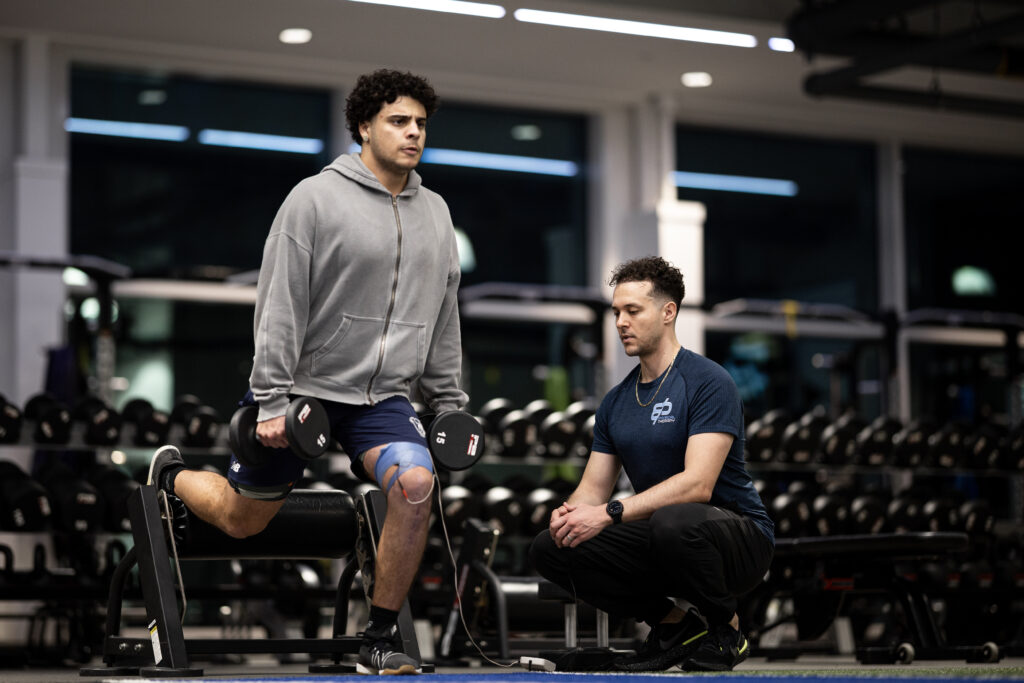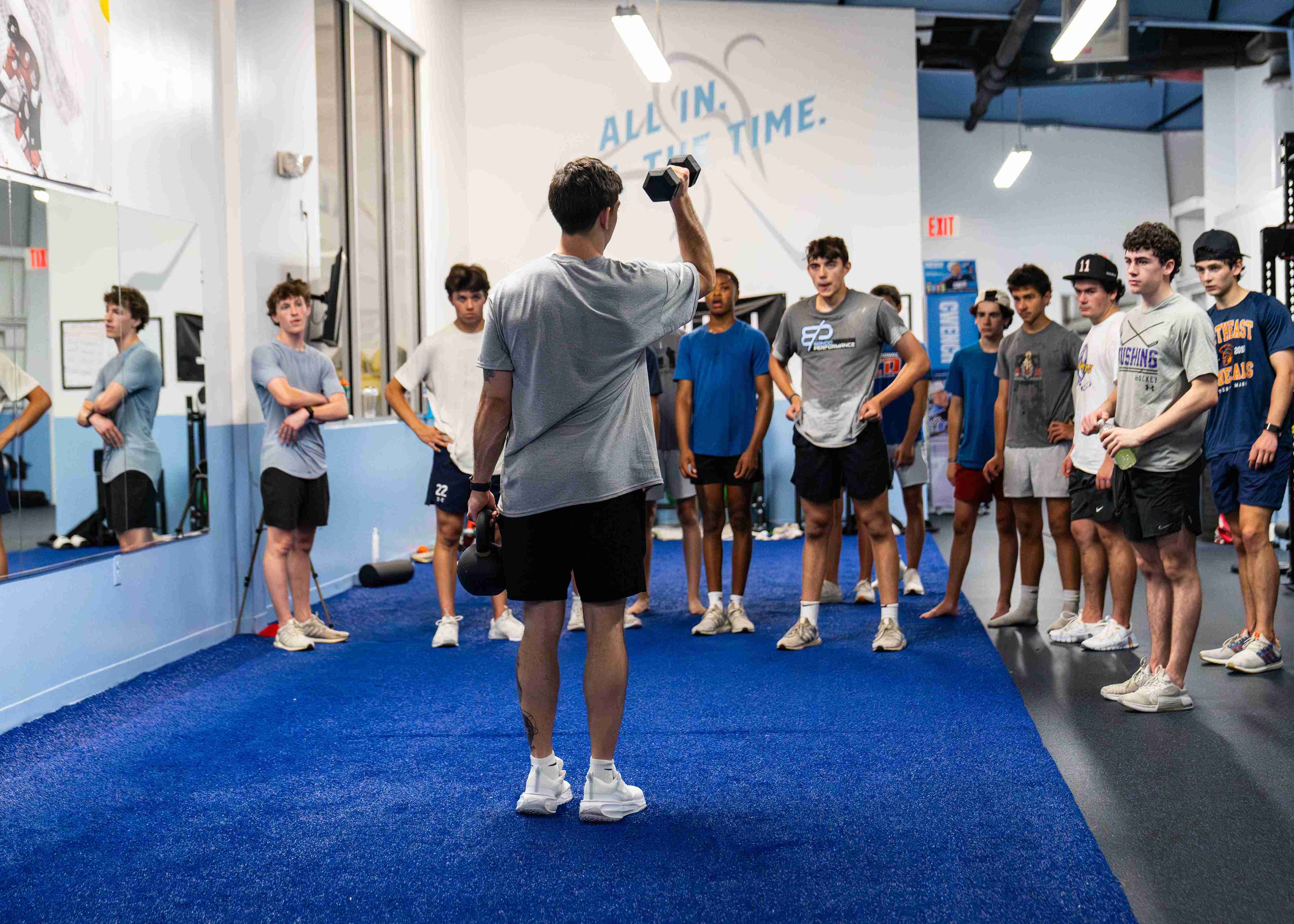
A lot of athletes have been through it.
You get hurt, go through physical therapy, do the work, and eventually hear that you’re cleared. Pain is gone. Range of motion is back. On paper, you’re ready.
Then you get back on the field, and something still feels off. Not injured, exactly. Just not right. Not fast enough. Not confident enough. Not the athlete you were before.
That gap has a name, and performance physical therapy is one of the most direct answers to it.
This post explains what performance physical therapy is, how it differs from traditional PT, and why more athletes at every level are using it not just to recover from injury, but to perform better than they did before one.
What Is Performance Physical Therapy?
Performance physical therapy is a model of care that combines the clinical foundation of traditional physical therapy with the training principles of athletic performance. Where standard PT aims to restore normal function and resolve pain, performance PT sets its sights further: restoring and improving the physical capacity an athlete needs to compete.
The physical therapists who practice this way are trained clinicians first. They understand tissue healing, injury mechanisms, pain science, and rehabilitation progressions. But they also understand sport. They know what a soccer player needs to do to cut at full speed, what a basketball player’s body goes through during a 30-game season, what it takes to prepare a high school pitcher for a spring workload.
That combination of clinical knowledge and performance context is what separates performance PT from a standard course of rehabilitation.
How It Differs From Traditional Physical Therapy
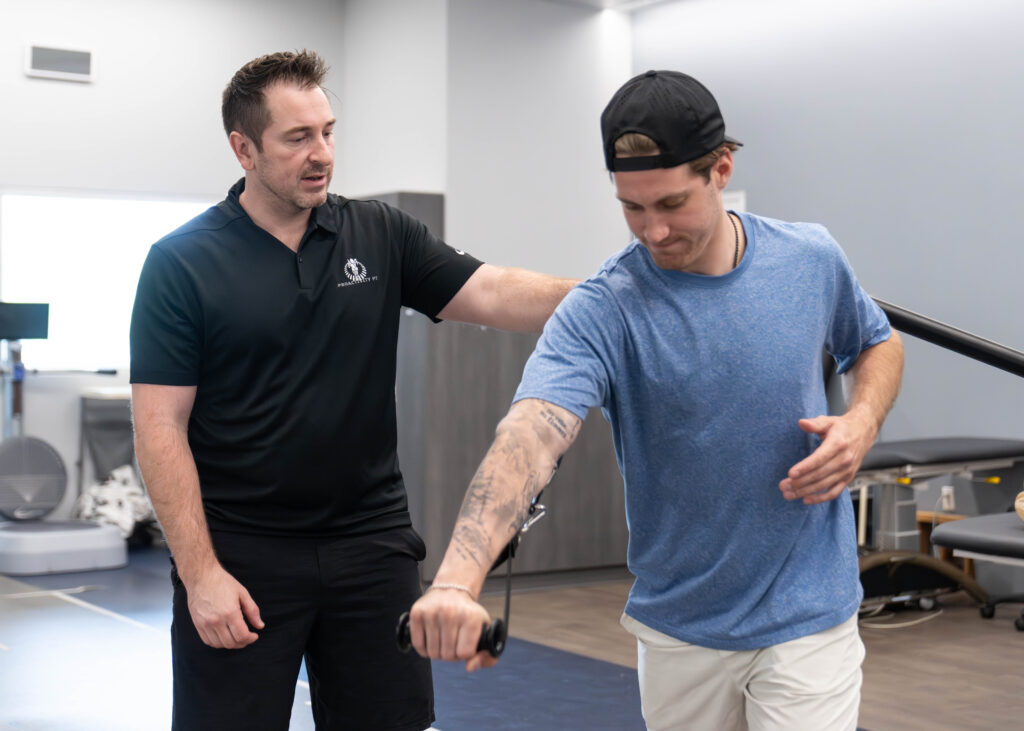
Traditional physical therapy for athletes is designed around a specific goal: get the patient out of pain and back to normal daily function. For someone recovering from a car accident, a surgical procedure, or a chronic pain condition, that is exactly the right target.
For athletes, normal daily function is not the finish line. Athletes need to sprint, decelerate, jump, absorb contact, and execute complex movements under fatigue and pressure. Those demands are categorically different from walking up stairs or carrying groceries, and they require a different standard of readiness.
The practical differences between traditional PT and performance PT show up throughout the process.
In assessment, performance PT looks not just at the injured area but at the full athletic picture: movement quality, strength symmetry, sport-specific mechanics, and the physical benchmarks the athlete needs to meet before returning to competition.
In exercise selection, performance PT progresses from basic rehab movements toward sport-specific strength, power, and conditioning work. The programming connects clinical goals with athletic ones, so the athlete is building capacity, not just managing symptoms.
In outcome measures, performance PT uses objective return-to-play criteria rather than discharging athletes when symptoms resolve. Pain going away is a starting point. Being ready to compete is the actual goal.
Traditional PT is not inferior to performance PT. It is built for a different destination. Athletes who want to return to sport at a high level generally need a model designed with that destination in mind from the beginning.
What Performance Physical Therapy Actually Involves
The specific work varies by athlete, injury, and sport. But a performance PT program typically moves through a progression that looks something like this.
Assessment and baseline.
Before programming begins, the therapist builds a complete picture of the athlete. That includes injury history, sport demands, movement quality, strength imbalances, and mobility limitations. The assessment drives the program. Without it, the work is guesswork.
Restore the basics.
Early phases address pain, inflammation, range of motion, and foundational strength around the injured area. This part is not dramatically different from traditional PT, and it does not need to be. The foundation matters.
Rebuild athletic capacity.
As the athlete progresses, the work shifts from restoration to development. Strength training with progressive load, single-leg stability, eccentric control, and core function all become part of the program. The goal is not just to heal the injury but to rebuild the physical qualities the sport requires.
Reintroduce sport-specific demands.
The final phase bridges the gap between the clinic and competition. Running progressions, agility work, deceleration mechanics, and sport-specific movement patterns are reintroduced in a structured, progressive sequence. The athlete is not cleared based on how they feel. They are cleared based on what they can demonstrably do.
Coordinate across disciplines.
In an integrated setting, the physical therapist and the strength and conditioning coach are not working in parallel silos. They share a picture of the athlete and align their programming so the transition from PT to full training is seamless rather than a sharp handoff that leaves athletes without support.
Who Benefits From Performance Physical Therapy
The most obvious candidate is an athlete recovering from an injury who wants to return to full competition rather than just return to daily life. But the scope of who benefits is wider than that.
Athletes who feel cleared but not game-ready are a significant group. They may have completed a standard course of physical therapy, been discharged based on symptom resolution, and returned to sport only to find that something is still missing. Performance PT addresses the gap that traditional discharge criteria leave open.
Healthy athletes are increasingly using performance PT as a proactive tool. A movement assessment by a performance PT can identify mobility restrictions, strength imbalances, and mechanical inefficiencies that are quietly limiting performance or building toward future injury. Addressing those issues before they become problems is far more efficient than managing them after.
Multi-sport youth athletes in particular benefit from this kind of proactive attention. Athletes who play two or three sports throughout the year without a true off-season accumulate physical stress in ways that rarely get addressed through sport practice alone. Performance PT helps those athletes manage load, build resilience, and stay healthy across a demanding schedule.
Adult recreational athletes who want to stay active and competitive into their 30s, 40s, and beyond also find real value in this model. The goal is longevity and sustained performance, and performance PT is built around exactly that kind of long-term thinking.
The Case for Using PT Before You Get Hurt
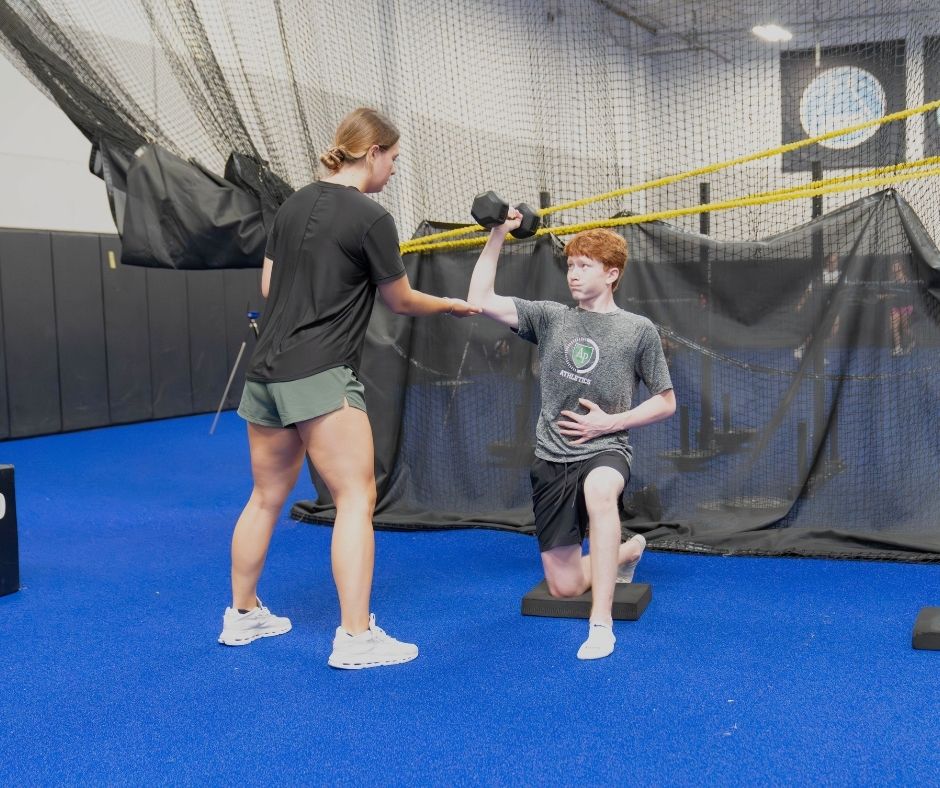
The professional sports world figured this out a long time ago. Elite teams employ physical therapists not primarily to treat injuries, but to prevent them and optimize performance. PT is woven into daily training, not reserved for when something goes wrong.
That model is increasingly accessible to athletes at every level, and more athletes are taking advantage of it.
Using performance PT proactively means getting a movement assessment that identifies what your body actually needs, building a targeted plan to address weaknesses and limitations, and having a qualified clinician monitoring your physical readiness across the season. It is a competitive advantage that most athletes simply leave on the table because they are waiting for an injury to justify the investment.
The athletes who stay healthiest over time are rarely the ones who were lucky. They are the ones who were prepared.
Why Integration Between PT and Performance Training Matters
One of the most common failure points in athletic recovery is the handoff.
An athlete finishes physical therapy and is sent back to their team, their gym, or their training program with a discharge summary and a handshake. The PT did good work. But the strength coach, the athletic trainer, and the sport coach may have little visibility into what the athlete went through or what they still need. The athlete lands back in a full-intensity environment without the bridge they needed to get there safely.
When PT and performance training operate under the same roof, that handoff gap closes. The physical therapist and the performance coach are in communication throughout the process. Programming decisions are made with shared context. The athlete moves from early-stage rehab through full return to sport without ever losing continuity of care.
This is not just a convenience. It is a meaningfully better model for athletes who want to return to competition fully prepared rather than simply pain-free.
What to Look for in a Performance PT Provider
Not every physical therapist practices with a performance focus, and not every strength facility has PT-informed programming. Finding the right fit means looking for a few specific things.
Clinical credentials are the foundation. The provider should be a licensed physical therapist with formal training in musculoskeletal care. Performance experience is equally important: they should understand sport, training, and what athletic readiness actually looks like.
Sport-specific knowledge matters. A PT who primarily treats post-surgical patients may not be equipped to design a return-to-play program for a high school lacrosse player. Look for providers with demonstrated experience across the sports your athlete plays.
Objective return-to-play criteria are a meaningful signal of quality. Providers who discharge based on symptom resolution alone are practicing traditional PT, regardless of what they call their approach. Performance PT should involve measurable benchmarks for strength, movement quality, and sport-specific readiness.
Communication and coordination are worth asking about directly. Does the PT speak with the athlete’s coaches or strength staff? Is there a plan for what happens after the formal PT phase ends? Athletes deserve a clear answer to those questions.
Performance Physical Therapy at Bando
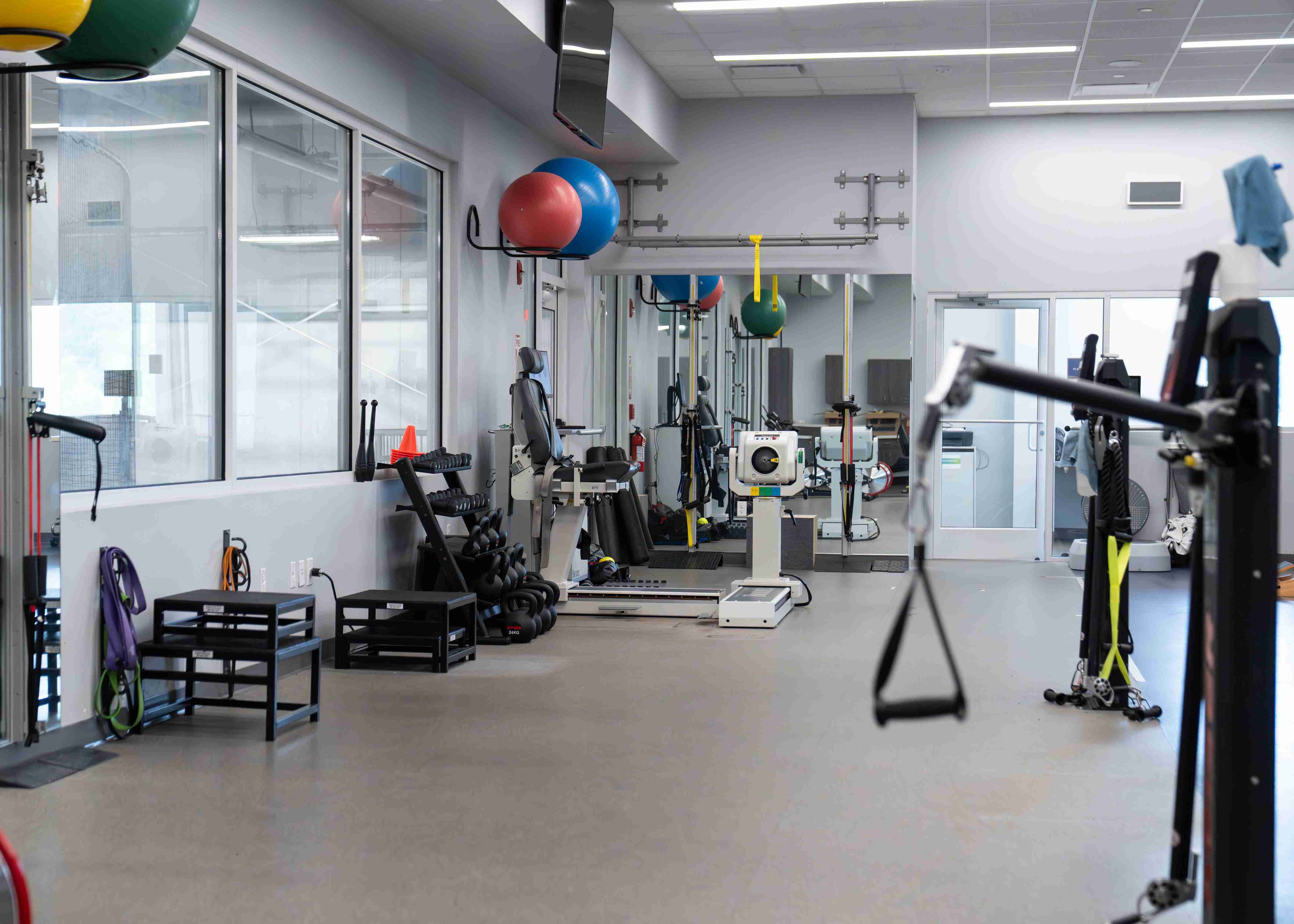
At Bando Performance, the integration of physical therapy and athletic performance training is not a marketing position. It is how the facility operates.
Our physical therapists and performance coaches work with the same athletes, share the same assessment information, and align their programming toward the same goals. An athlete working through post-injury recovery does not leave PT and start over with a strength coach who has no context for what they just went through. The process is continuous, and the communication is built in.
For youth athletes across the greater Boston and Metro West area, that model means their development and their recovery are treated as part of the same long-term picture. For adults, it means having a team that understands performance and knows how to keep you doing what you love at a high level.
Whether you are managing an injury, returning from one, or looking to move better and stay healthier, performance physical therapy at Bando is built around where you want to go, not just where you currently are.
FAQs
Is performance physical therapy covered by insurance?
Coverage depends on your specific plan and the nature of the visit. Injury-related PT is commonly covered, at least in part, by most insurance plans. Proactive or performance-focused sessions may be treated differently. It is worth contacting your insurance provider directly and asking the facility about their billing approach before your first appointment.
Do I need to be injured to see a performance physical therapist?
No. Many athletes use performance PT proactively to address movement limitations, improve mechanics, and reduce injury risk before anything goes wrong. A movement assessment with a performance PT is a useful starting point for any athlete who wants a clearer picture of what their body needs.
How is performance PT different from sports medicine?
Sports medicine is a broader field that includes physicians, athletic trainers, and other healthcare professionals focused on sport-related health. Physical therapy is a specific clinical discipline within that ecosystem. Performance PT combines the clinical depth of physical therapy with an explicit focus on athletic performance outcomes. The two fields overlap significantly and often work together.
How long does performance physical therapy take?
Duration depends on the injury, the athlete’s goals, and how far from full performance they are when they start. A simple overuse issue addressed proactively may resolve in a few weeks. A post-surgical return-to-sport process can extend several months. The more useful question is not how long it takes, but what the benchmarks are for completion — a good performance PT should be able to answer that clearly.
Final Thoughts
Physical therapy gets athletes back to normal. Performance physical therapy gets athletes back to competing.
For anyone whose goal is to return to sport fully prepared, stay healthy through a demanding season, or simply move better for the long term, the model you choose matters. The right provider builds toward your actual destination rather than stopping at the absence of pain.
If you want to learn more about what performance-focused physical therapy looks like in practice, Bando Performance is happy to walk you through it.